$30 Million FEED NJ Grant Could Transform Food Access in Trenton’s Hardest-Hit Communities

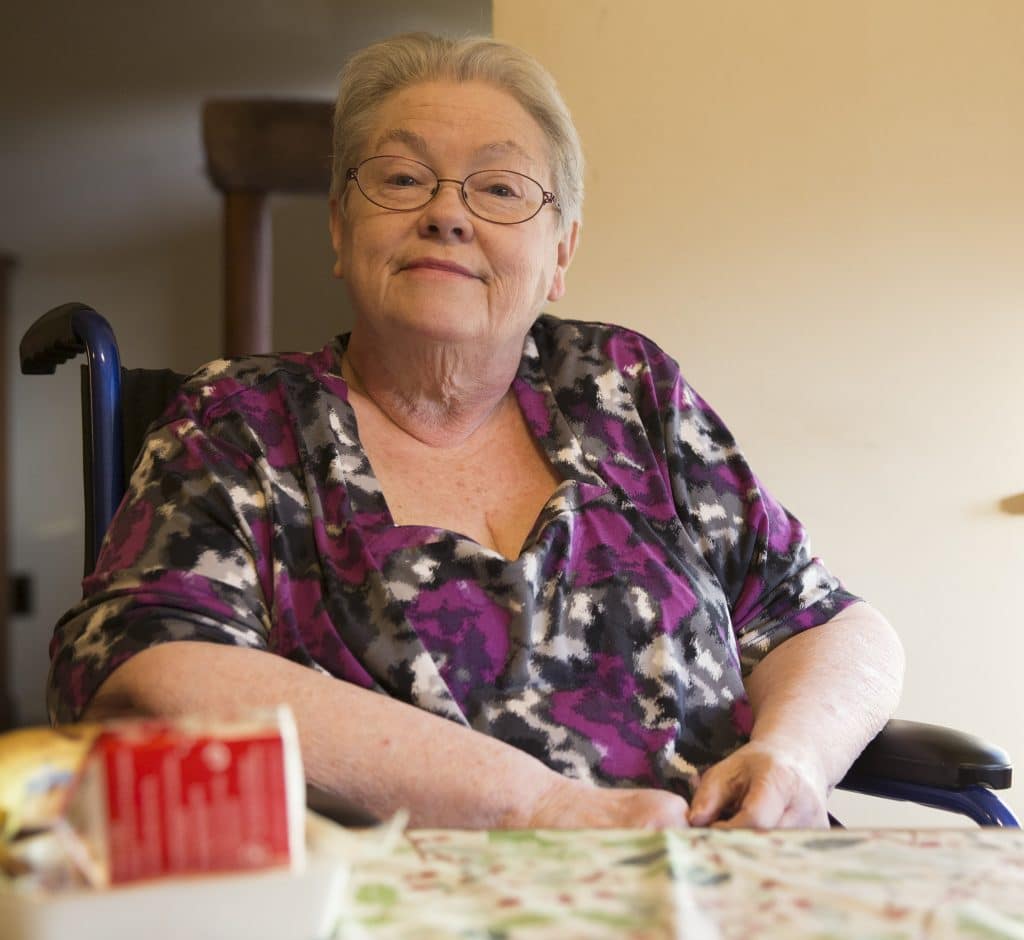
Food insecurity is a complicated issue with many contributing factors that differ between locations and even individuals facing it. For Marilyn Ahiem, a seventy-five-year-old Trentonian who is the primary caretaker for her currently bedridden mother, health conditions and the geography of her apartment limit her mobility to the point that going out to get groceries alone is not an option. Meals on Wheels of Mercer County, a food delivery non-profit, visits Ahiem daily to bring her and her mother nutritious meals they can rely on. Ahiem calls the organization “dependable” and is highly grateful to receive their services.
“In my life I did a lot of giving, but it sure feels much better to get it back, you know, I never even looked for anything, and I think it’s a wonderful well-needed program,” Ahiem said.
According to interim CEO of Meals on Wheels of Mercer County, Beth Englezos, the organization serves 468 people each month with about 210 of them living in Trenton. Approximately 82% of the meals are subsidized by the organization with the remaining percentage paid by participants who can afford to do so or by managed care organizations.
“About 60% of our Trenton participants are over the age of 70 and most live alone,” Englezos said, “There is a significant need in Trenton, as well as throughout Mercer County, largely due to the growing senior population.”
Supporting food security programs like Meals on Wheels is the focus of the New Jersey Economic Development Authority (NJEDA)’s new grant program that has earmarked $30 million for organizations that combat food insecurity. The Food Equity and Economic Development in New Jersey (FEED NJ) pilot program targets 50 designated food deserts in the state of New Jersey. Organizations that apply to the program can receive up to $500,000 in funding for projects that address food access and food retail improvement in these 50 communities and their surroundings.
NJEDA’s chief economic security officer, Tara Colton, is hopeful that applicants will bring the unique perspectives of their target communities to the table. “What we’re looking for are locally driven ideas that are realistic and sustainable but that would have a catalytic impact on food access in New Jersey’s most acute food desert communities,” Colton said.
What is a food desert?
The term “food desert” refers to an area or community that suffers from acute food insecurity due to various economic and accessibility factors. The NJEDA, as part of Governor Murphy’s Food Desert Relief Act under the Economic Recovery Act, worked with several other agencies to develop criteria to build a comprehensive definition of food desert communities (FDCs) in New Jersey to pinpoint areas of most need. Over 20 variables were taken into account including vehicle access, public transportation, internet access, food affordability relative to income, health outcomes, and the nutritional value of those food retail services that are available.
Of the 50 food desert communities targeted by FEED NJ, two, designated Trenton West and Trenton East, are located in Trenton. Both score in the top 15 in terms of severity. For Trenton food deserts, a lack of a full-service supermarket to provide fresh, healthy food is part of the problem, but not the only challenge. Multiple strategies based on listening to Trentonians are needed and encouraged by the officials at the EDA.
“We always say it’s not just about bringing people to food it’s about bringing food to people, and so the hope certainly is that we will receive applications from Trenton and hopefully many of their other counterpart food desert communities that will make it easier for people in Trenton and elsewhere to obtain food whether it’s for free or they’re buying it themselves,” Colton said.
Colton is hoping that not only will many organizations apply to FEED NJ, but that the existence of the program will serve to prove the state’s dedication to food security as a crucial economic investment to strengthen New Jersey as a whole. “The program is called Food Equity and Economic Development. It’s solidifying the message that this is not nice to have: this is a must have,” Colton said.
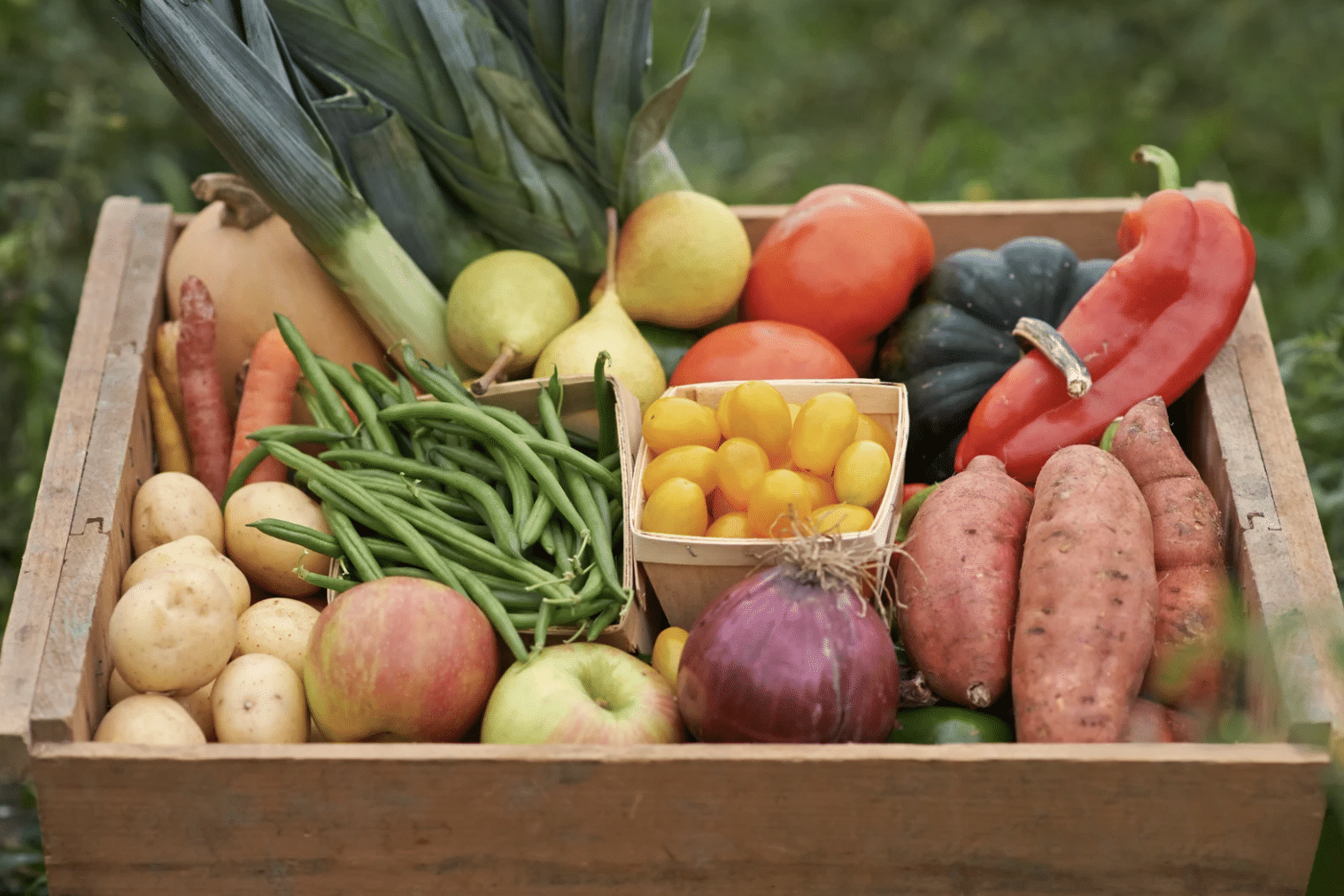
On whether Meals on Wheels plans on applying to the program, Beth Englezos, said, “We definitely will be applying for the FEED NJ grant and will most likely request funding for our Fresh Produce Program. This will allow us to continue providing fresh fruits and vegetables this year. Our participants loved getting the produce bags each week. Some reported that they would not have any fresh fruit if we didn’t provide it.”