Paper shopping bags could be returning, as NJ lawmakers search for new sustainable alternatives
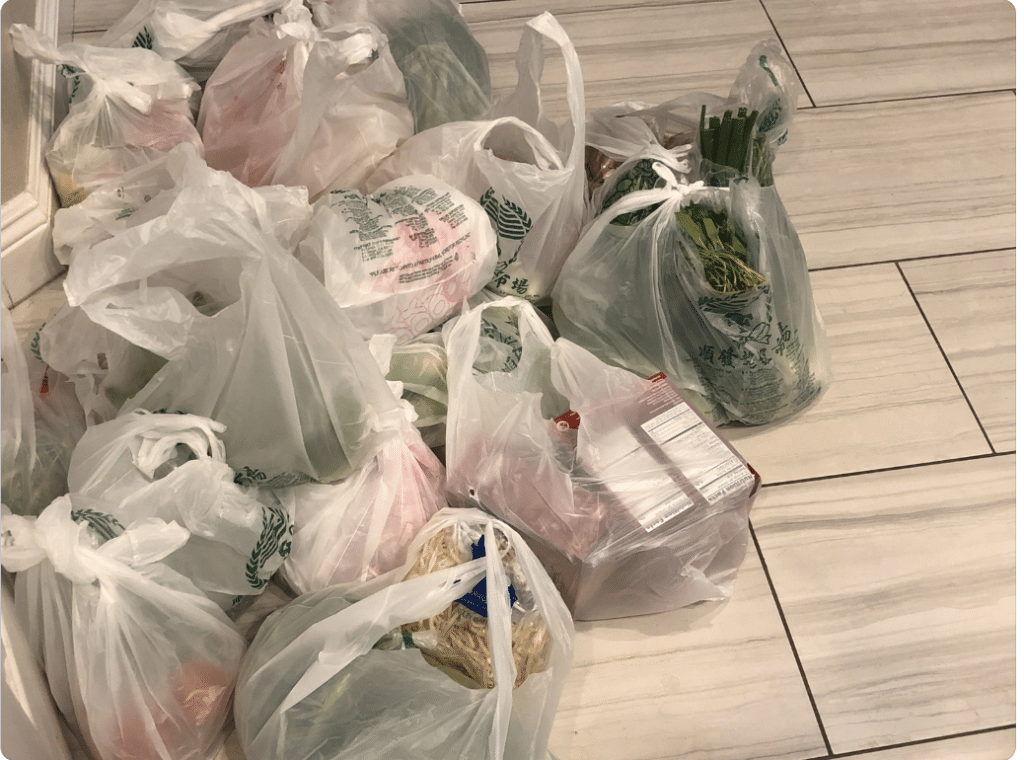
New Jerseyans soon might have an incentive to forget about their plastic reusable shopping totes, as some lawmakers are pushing for a return to paper bags in grocery stores.
The state in 2022 banned paper and single-use plastic bags at large retailers in a step to combat climate change. The law, signed by Governor Phil Murphy, was applauded by dozens of environmental groups. Shoppers dutifully turned to reusable bags, typically fabric or sturdy woven plastic, and often inexpensive or free. But before long, those bags turned into stashes.
“I have to tell you, I’ve purchased those reusable bags,” Senator Jon Bramnick, a Republican from Westfield, told fellow members of the Senate commerce committee on March 24. “I put them in the car. But you know what you do after putting it in the car? You bring the groceries in, and then you forget to put it back in the car.”
The rest of the committee knew Bramnick’s pain. In a unanimous vote, the panel approved S-3413, which would partly roll back the single-use restriction. While plastic throwaways would remain disallowed, recyclable paper would be an option. The measure now moves to a vote of the full Senate.
Among the supporters is the New Jersey State AFL-CIO, which cited the potential to create factory employment. The state Department of Labor reported that 8,740 New Jerseyans in 2020 worked in pulp or paper production, for 4% of manufacturing jobs.
“I’ve been employed with Duro Bag for 20 years,” one such worker, Kenneth Gooden, told lawmakers. “I understand what’s important to me may not be important to you, but I promise you it’s important for many people, especially my co-workers.”
Environmental advocates said they don’t want single-use bags, even if they’re recyclable paper.
The New Jersey Clean Communities Council and other groups redistribute bags to food pantries, following the environmental movement’s “reduce, reuse, recycle” mantra. That’s a good approach, according to Marta Young, a zero-waste organizer for Clean Water Action who testified against the bill.
“Change is hard,” Young said. “We are three years in. We have more education to do. We are in need of more redistribution, collection facilities. Once that happens, more and more people each day will end up using their reusable bags.”
As much as 66% of paper in the United States is recycled, according to the American Forest & Paper Association. Still, deforestation has been linked to climate change. And the paper recycling process involves ink-removing chemicals, according to the U.S. Environmental Protection Agency.
“People don’t take into account the carbon footprint of paper bags in terms of cutting down the trees that are absorbing carbon dioxide during their growth and bettering the planet,” Young said.
Some bill opponents said single-use bags would be a cost burden for retailers. But Josie Doto, a co-owner of John’s Friendly Market in Haddon Heights, said that was unlikely. The shop’s small size makes it exempt from the single-use paper bag, but Doto said customers rarely opt for them.
“We have kind of a unique local repeat clientele, so they will actually bring their bags in,” Doto said in an interview at the shop. Customers who have extra reusables even leave them at a rack in the front of the store, for anyone to use.
“We always have a stack,” Doto said. “Nobody’s ever left without a bag at John’s.”
Tyler Delpercio, who studies sports and media at Rowan University, said he would be relieved to have paper as a choice again, as he walked back to his car at the Glassboro Shoprite location.
“As a college kid, I have a lot of other things on my mind than bringing a shopping bag into a supermarket,” Delpercio said. “So I get in there, then I forget that I don’t have it, now I gotta walk back to my car. It’ll just make my life and I’m sure a lot of other people’s lives easier.”