Howard University students show up for Mercer County youth
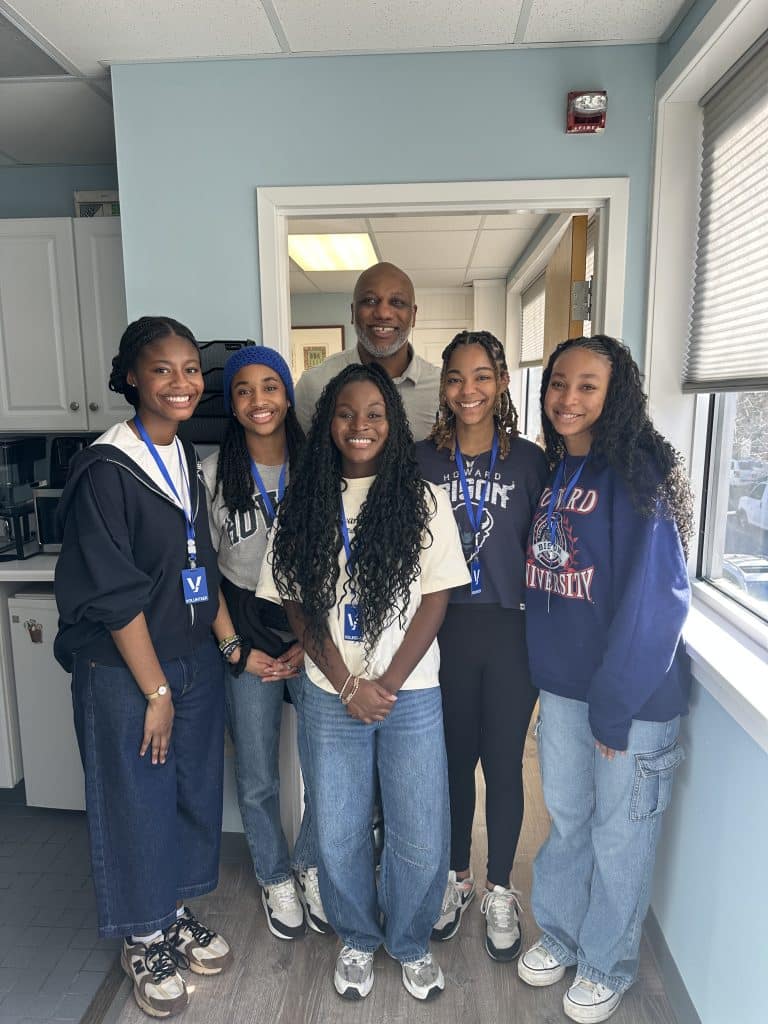
A week of service created a powerful bridge between emerging leaders and local youth, as Howard University students spent their spring break delivering mentorship and inspiration at Boys & Girls Clubs sites across Mercer County.
“My experience at the Boys & Girls Club felt full circle,” said Miriam Decker, Howard University Team Leader. “I was once the little girl who spent my after-school hours and summers at a Club near my home, so returning to a similar space was deeply nostalgic and something I truly cherished every second of.”
Ashli Thomas, a Howard University Site Coordinator, echoed that sentiment. “Watching my fellow students engage with the children at the Boys & Girls Club was incredibly rewarding. Seeing that daily spark of joy and connection not only highlighted the impact of our program, but also allowed me to feel like a kid again.”
The visit was part of Howard University’s “Alternative Spring Break” program, which offers students the opportunity to spend their spring break engaged in community service and civic leadership rather than traditional vacation activities.
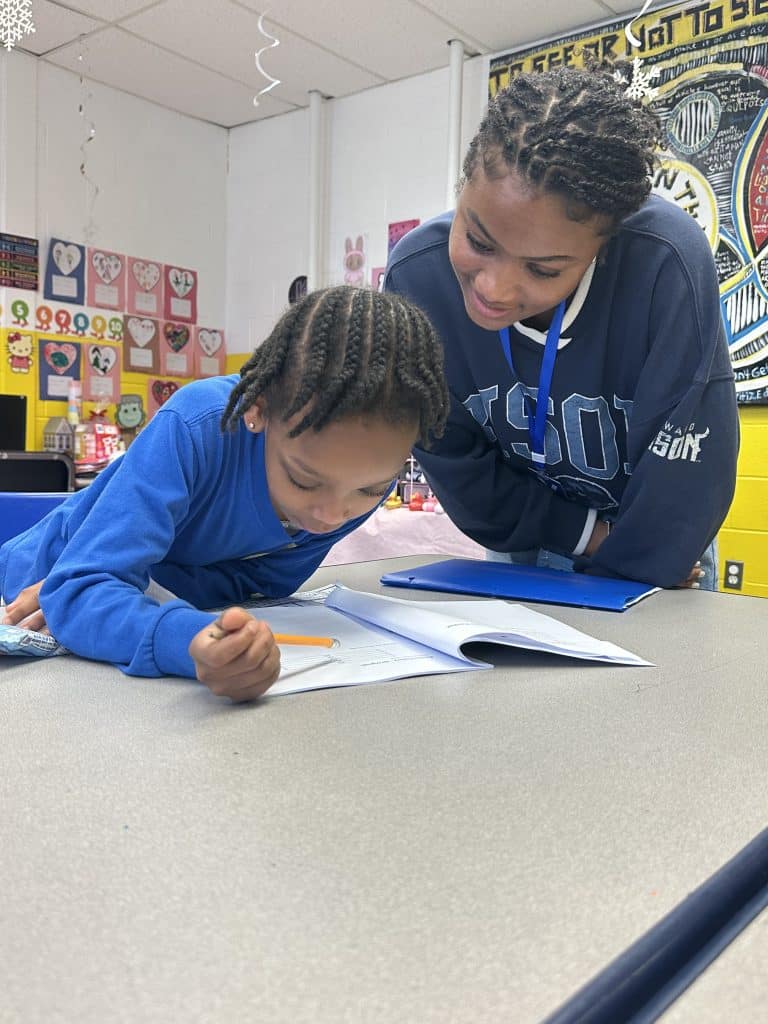
Throughout the week, students supported daily Club programming, working directly with youth through academic enrichment, STEM activities, and mentorship. Their presence brought energy, inspiration, and meaningful connection to Club members, reinforcing the importance of service and leadership in action.
Students participated in a variety of activities, including leading group discussions, assisting with homework, supporting STEM-based projects, and engaging in recreational programming. Their efforts helped enhance the Club experience for hundreds of youth served throughout Mercer County.
In addition, several students had the opportunity to spend time with the Club’s President and CEO, Reginald J. Coleman, engaging in thoughtful dialogue about the impact of the organization and the importance of experiences like this for the youth served. These conversations reinforced a shared commitment to creating pathways of opportunity and success for the next generation.
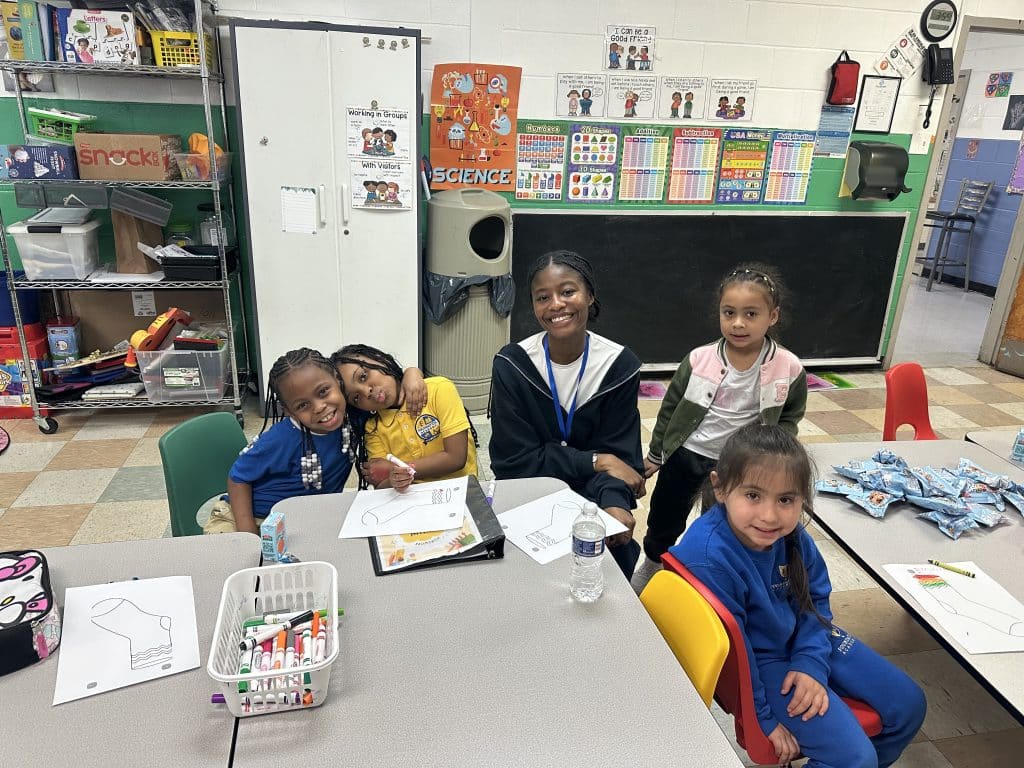
“This is more than just a week of service,” said Ashley Nwankwo, Director of Philanthropic Partnerships at the Boys & Girls Clubs of Mercer County. “It is a life-changing opportunity for our young people to see themselves reflected in college students who look like them, lead like them, and are walking in their purpose. Experiences like this open doors, expand what feels possible, and introduce our youth to the HBCU experience in a way that makes their own futures feel real and attainable.”
The students were supported throughout their stay, March 9 through 13, by County Commissioner Sam Frisby and Councilwoman Teska Frisby, who helped welcome the group to Mercer County and ensure a meaningful and engaging experience.
As a Howard University alumnus, Commissioner Frisby played a key role in coordinating the visit and connecting students to the local community, with Councilwoman Frisby providing ongoing support throughout the week.
“This partnership is a true example of community in action,” Nwankwo added. “We are grateful to Howard University and their students for choosing to spend their spring break giving back and investing in the next generation.”