Senate Committee approves ‘human composting’ burial alternative bill
There are plenty of ways to reduce your carbon footprint – recycle your plastic bottles, turn off your ceiling lights, go vegetarian. But greener choices don’t just end with everyday life. The Senate Commerce Committee approved legislation on June 12 that could enable death to be more sustainable, too.
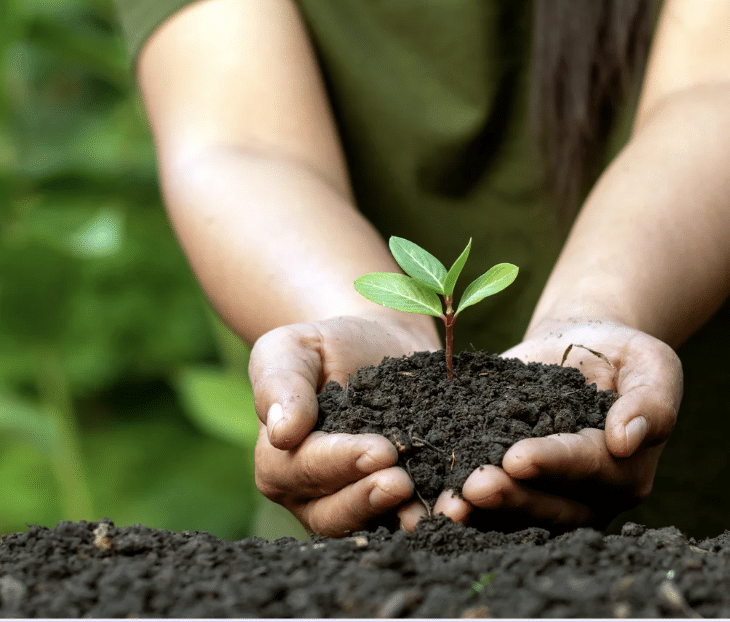
The bill legalizes natural organic reduction – also called “human composting” or “terramation” – a process that converts human remains into a soil-like product. In other words, if you can’t envision your future self beneath a headstone or inside an urn, you might soon gain another option: You can be turned into dirt.
“Natural organic reduction offers consumers an alternative that may be attractive,” said Samantha Link, director of government affairs for the New Jersey State Funeral Directors Association. She said younger generations are “taking a keen interest in greener alternatives, as well as the growing number of decedents [who are] opting out of embalming.”
A relatively new process, natural organic reduction is legal in 13 states. Washington was the first to allow human composting in 2019; Oregon, Colorado, and Vermont followed suit soon after.
Natural organic reduction is a more sustainable alternative to the more typical cremation and burial. Human remains are placed in a container with carbon- and nitrogen-rich materials such as wood chips, straw, sawdust and alfalfa. Naturally occurring microbes, along with enzymes from the corpse, begin to break down the remains, while the vessel is monitored to ensure suitable levels of moisture, oxygen and nitrogen for decomposition. In 30-40 days, the body is reduced to soil; typically, any residual bones are then removed, ground into a fine powder and mixed back into the soil. The remains may then be used in gardens, conservation areas and other areas of the natural environment.
Assemblyman Gerry Scharfenberger, a Republican from Middletown, supported the bill during its hearing in the Assembly in December.
“I think it’s a good option, especially right now, when we see cremation overtaking traditional burials,” he said. “Even mentioning it to regular folks, they all have the same reaction: ‘Gee, that’s not a bad idea.’ You kind of say it with a chuckle, but it’s certainly a viable option.”
The bill comes as increasing numbers of Americans are expressing interest in environmentally friendly funerary proceedings. According to a 2024 report by the National Funeral Directors Association, 68% of Americans said they would be interested in exploring green funeral options –– up from 56% in 2021. Cremation has overtaken burial in the United States as a more environmentally friendly and affordable option; the association estimates that cremation rates will reach 82% by 2045.
Natural organic reduction is appealing because it’s not only environmentally friendly, but also budget friendly. According to the association, the national median cost of a funeral with a viewing and burial in 2023 was $8,300, while the median cost of a funeral with cremation was $6,280. Human composting can cost as little as $5,000, according to one terramation organization. The Senate Commerce Committee unanimously moved S3007 out of committee, and it now goes to the full Senate for a vote. The bill was introduced in March 2024, and passed the Assembly in December 2024, by a 71-1 vote.