Trenton Couple Faces City Foreclosure Battle After Buying Abandoned Property
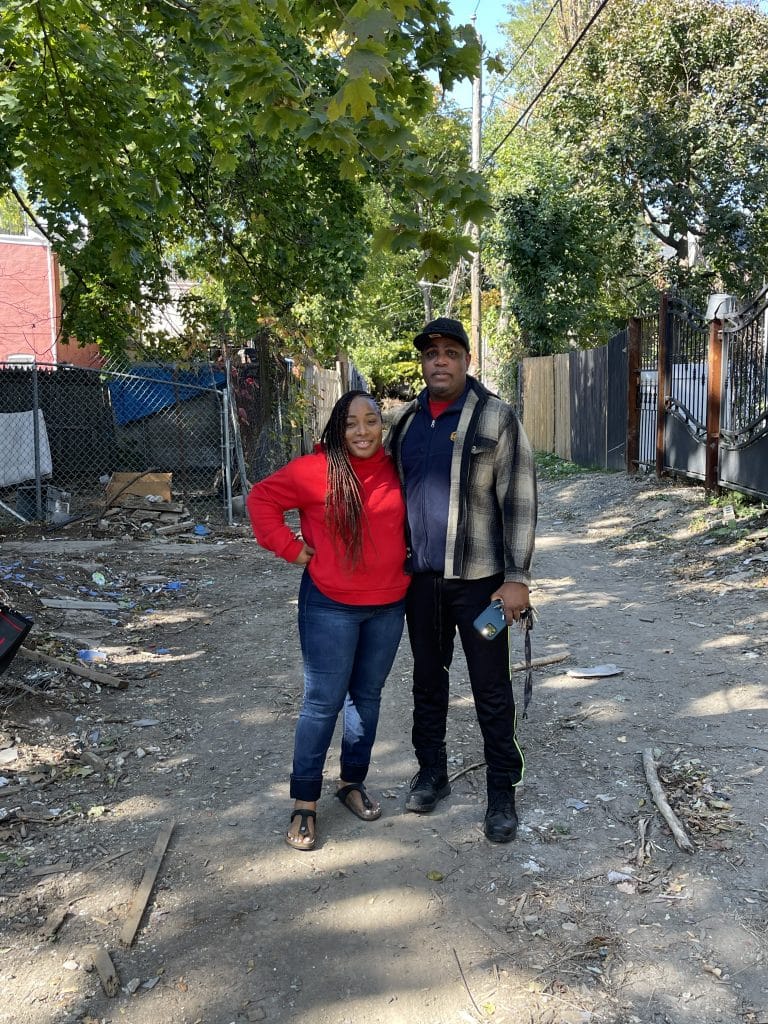
Trenton residents Charmaine Lane and Carl Osborne envisioned making their newly acquired property on the 800 block of Stuyvesant Avenue their “forever” home. But what began as a renovation dream quickly became a nightmare as they faced foreclosure from the City of Trenton. Their journey highlights not only the challenges of restoring long-neglected properties, but also the complex world of tax liens, municipal foreclosures, and a bureaucratic system that can be complex for new homeowners and investors to navigate.
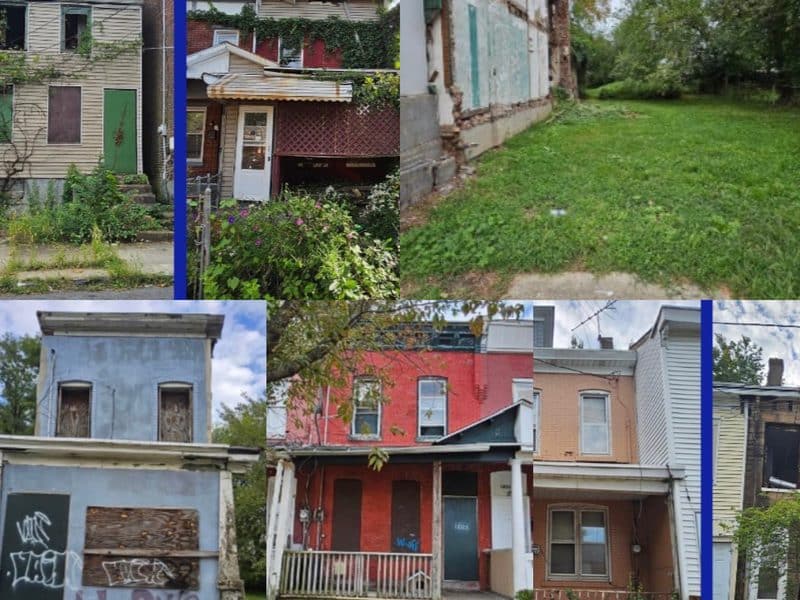
In 2021, Osborne came across the abandoned property on Zillow for $18,000 while browsing for a potential home for his family. The building, vacant for years, showed signs of neglect: boarded windows, scattered debris, and even mattresses strewn across the lot. For many, these conditions would be a deterrent, but Osborne saw potential. “The bones of the house were still good,” he explained, sitting beside his wife, Lane, in their current Mill Hill home.
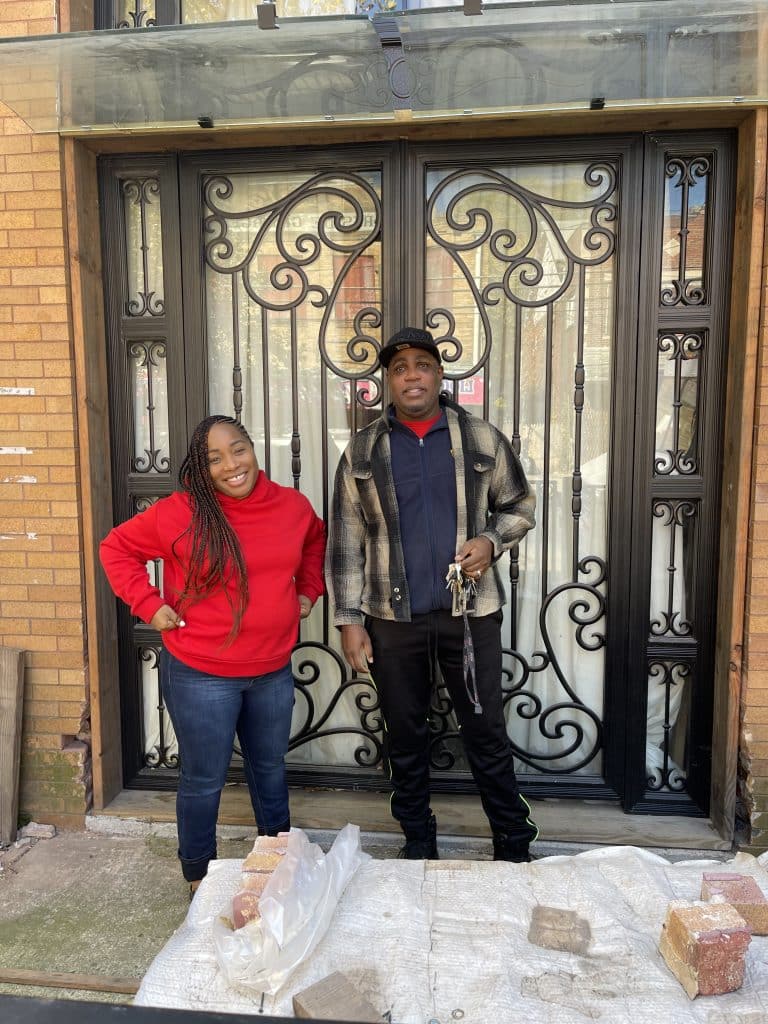
The couple saw this as an investment—not just financially, but also as a way to help revitalize a neighborhood in Trenton that has seen better days. Osborne said when he initially went to see the property there were so many people loitering in front of the house, the scene scared away potential investors. Lane detailed how she and Osborne spent countless hours repairing the property and installing a new gate in an area of Trenton that people warned the couple not to move to while also working their day jobs and taking care of their children.
Osborne, who works in management at UPS, has previous experience renovating properties in New York, and Lane is an educator and a registered psychotherapist who owns a private practice. “[Stuyvesant Avenue] is a place where when I first saw it, I thought, ‘Is this the street in Trenton where everyone has forgotten?’” She added that her hairstylist, who grew up on Stuyvesant, asked, “Are you crazy? You guys will never be able to live there, especially with your children!”
In spite of warnings not to purchase on Stuyvesant Avenue, the couple followed their hearts and bought the abandoned property in cash. The couple recall many sleepless nights they spent slowly renovating the property until they were taken aback by news from the tax collector’s office after Lane went to city hall to drop off a tax assessment.

A Surprise Foreclosure Notice
The couple’s troubles began in September 2024 when they learned a lien had been placed on the property and the city had already initiated foreclosure proceedings. According to a letter from Constance S. Ludden, Trenton’s tax collector, their request to set up a payment plan was denied because the property was already in foreclosure, which requires a full payment to be removed from foreclosure status. In documents provided to the Trenton Journal, Ludden stated that her office sent out a tax sale notice, delinquent notices, tax bills, and foreclosure notices to Mr. Osborne and the only contact her office has had with Osborne was on September 4, 2024.
For Lane and Osborne, the notification was shocking, as they claimed they did not receive any prior notice of the lien at their residence in New Jersey. “The issue is not that we don’t want to pay,” Lane said, “but you’re not giving us an option. You just want to take [the property].” But how can a tax lien be a surprise since the couple admittedly has never paid or attempted to make payment on the property since it was purchased in 2021?
The couple claims they misunderstood Trenton’s tax system, drawing comparisons to New York’s tax abatement programs, which often allow new owners more flexibility to complete renovations before facing tax assessments. Lane said she and Osborne thought that their taxes would be automatically abated until they finished renovating their property. They also allege that some of their tax notifications were sent to their old address in the Bronx, but they were never informed that they owed $50,000 each for the adjoining properties they purchased. Although Osborne told the Trenton Journal that he used an attorney when he purchased the property, he did not conduct a title search on the Stuyvesant Avenue home.
“All municipal charges are attached to the property, not to the owner. So, no matter when a purchase was made, or when the charges were due (including TWW charges) all balances travel with the property to the new owner. The current owner is the responsible for all charges on the property, past and present. Whether Mr. Osborne personally used TWW or if the bill is “old” and was incurred under the previous ownership, it is attached to the property/the City lien and is due and owing,” according to Constance S. Ludden in an email provided to the Trenton Journal.

A Bureaucratic Barrier to Ownership
In their defense, the couple stated they received tax assessments but lacked clarity on the foreclosure status until it was too late. The couple said by the time they received notice on the amount of taxes due on their Stuyvesant Avenue property, the amount was $100,000 in back taxes. They quickly submitted a request for a payment plan, proposing a $500 down payment with $200 monthly installments. However, Ludden’s office dismissed this offer, stating that a 20% down payment and two-year payment limit are standard for such plans, making it impossible for the couple to meet these requirements on multiple levels.
Osborne emphasized that he and Lane were willing to take on the financial burden, but their lack of information and time to act effectively shut them out from the beginning. Lane reveals that she has been in correspondence with the city over various matters regarding the property, but questions why she and her husband were never provided documentation regarding a notice of foreclosure and a lien on the property. “If you are foreclosing you have to send [a] registered mail notice, so who signed for it?”
Trenton owns over 1,500 abandoned or vacant properties, and maintaining these lots is a cost to taxpayers while also contributing to urban blight. The city’s Adopt-a-Lot program allows residents to care for these properties, but it remains to be seen if it will have a meaningful impact on revitalization.
In New Jersey, property taxes—and related charges like sewer fees or nuisance abatements—are “priority liens,” meaning they take precedence over other debts, including mortgages. If unpaid, the property is subjected to tax foreclosure, either by the municipality or a third-party buyer who purchased the lien. The city may proceed to foreclose within six months of a lien going unpaid, and in Trenton’s case, if no third party purchases the lien, the municipality becomes the de facto lien holder.
Where Lane and Osborne Stand Now
Today Osborne commutes from Trenton to Brooklyn, while juggling negotiations to save the Stuyvesant Avenue property. The couple told the Trenton Journal that they recently received a Stop Work Order and construction penalties from the City preventing them from further renovating the Stuyvesant Avenue property. Lane and Osborne are still fighting to keep their property, reaching out to West Ward Councilman Teska Frisby and others to help ensure no other Trenton residents endure the same predicament. Their struggle underscores the challenges residents face in navigating municipal tax systems and foreclosure laws and raises questions about how the city can better serve those looking to invest in Trenton’s future. Their next move? Lane said they are currently in the process of lawyering up. Documents provided by the couple to the Trenton Journal show that officials from the city, including Mayor Reed Gusciora and West Ward Councilwoman Teska Frisby have been responsive in investigating the matter, but the couple said they have reached an impasse with their communication. Councilwoman Frisby added Housing and Economic Development Director Arch Liston and Business Administrator Maria Richardson to an email chain to investigate the property and to see “what next steps need to be taken to secure their property,” according to documents.
When we reached out to Constance S. Ludden for this article, she had “no comment,” but a city employee who works in the tax department who asked not to be identified said that people claiming to have not received their tax bills has been an increasing complaint since the Covid pandemic, but it doesn’t absolve property owners from paying their taxes. The employee advised that anyone who has not received their tax bill should be proactive and immediately contact the tax department.
Echoing the statements from the city’s tax department employee, real estate attorney Michael Tartini, said that all property owners should be diligent when it comes to making sure the taxes are paid on time. “I have had clients who purchased properties, and the city didn’t transfer the name to the new property owner, and they didn’t receive their tax bills,” he said. “But I would always advise my clients to make sure their taxes are paid every quarter.”
The employee from the city’s tax department told the Trenton Journal that quarterly tax bills are due on August 1st, November 1st, February 1st, and May 1st. According to the City of Trenton, any municipal lien remaining unpaid on the eleventh day of the eleventh month of the current fiscal year is subject to the Tax Sale at any time thereafter. 2024 Real Estate Taxes will be advertised for sale after November 11, 2024. The next city property auction is scheduled for December 2024. Whether Osborne and Lane will be able to keep their property remains to be seen.
Author