Will the next governor of New Jersey finally do right by the Capital City?
The relationship between the City of Trenton and the State of New Jersey can best be described as complicated.
The seven-square-mile capital serves as the seat of government, home to the State House, the Governor’s Office, and the New Jersey Supreme Court. Yet, many say Trenton’s designation as the capital of one of the nation’s wealthiest and most educated states is more symbolic than substantive.
For decades, residents have argued that while the state benefits from having Trenton as its capital, it has failed to invest meaningfully in the city’s people, neighborhoods, and future. With the 2025 gubernatorial election underway, a familiar question has resurfaced: Will the next governor finally give Trenton its fair share?
Trenton on the Campaign Trail
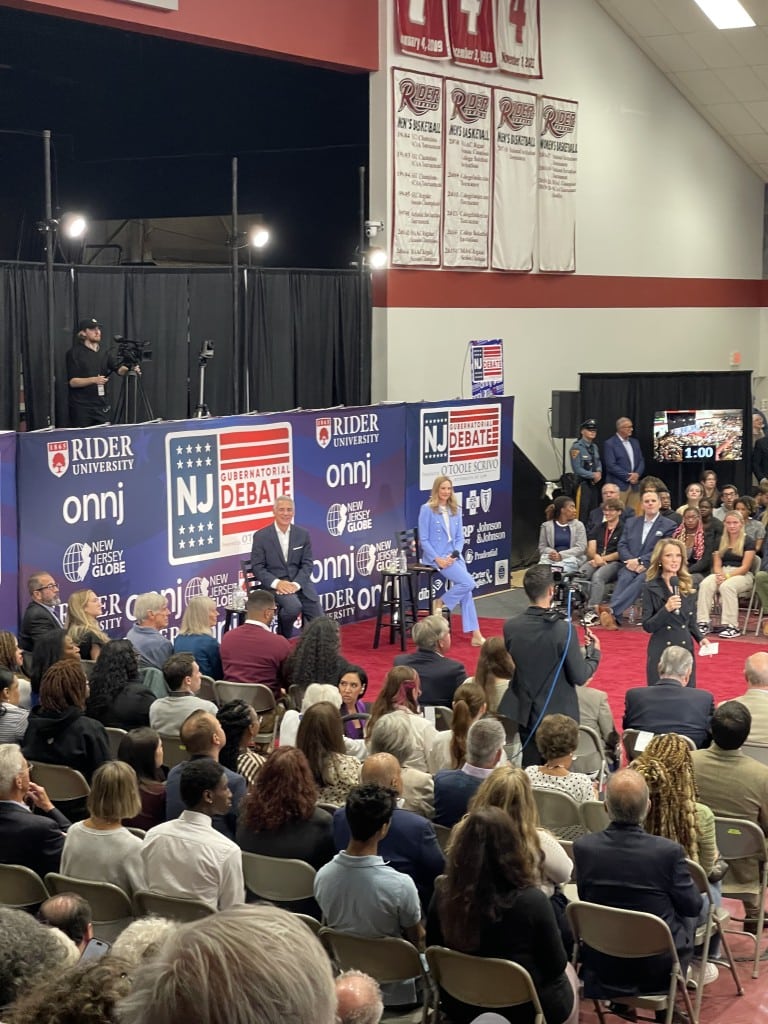
In the race to succeed Governor Phil Murphy, frontrunners Democrat Mikie Sherrill and Republican Jack Ciattarelli have offered sharply contrasting visions for New Jersey’s capital.
“I want us to stop developing high-density housing in all of our 564 towns,” Ciattarelli said. “We need more lease-to-purchase opportunities in cities like Newark and Trenton.”
Sherrill, meanwhile, has pledged to prioritize capital city investment. “Trenton residents care deeply about seeing their community thrive, but for too long they have been left behind,” she said during a July visit. Sherrill’s platform includes expanding small business support, cutting red tape for affordable housing, and strengthening public safety.
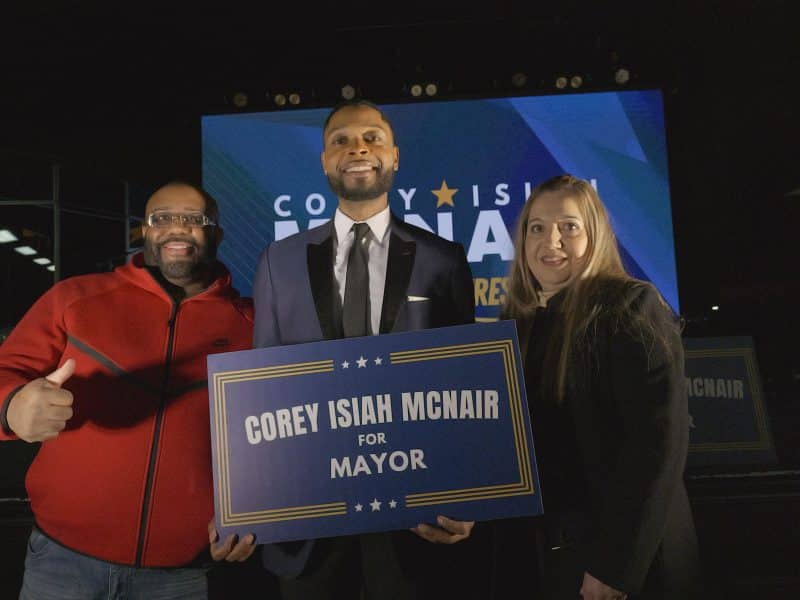
Independent candidate Rev. Darrell Armstrong, longtime pastor of Trenton’s Shiloh Baptist Church, entered the race in July, calling the two-party system “broken.” “Trenton is only seven square miles. The amount of state buildings that comprise those seven miles robs Trenton of its tax base,” Armstrong said, arguing that the next governor must understand how that imbalance affects every aspect of city life.
Still, many Trentonians remain skeptical that any administration will make the capital city a priority. Candidates often focus on swing regions, not heavily Democratic Trenton.
During the summer, Sherrill joined Black Women New Jersey in a block walk to talk about housing and rental costs, public safety, gun violence, and transportation. She then visited local barber shops and community halls where she spoke with business owners and outlined her plan to support small businesses in Trenton and across the state. In September, Ciattarelli met with Hispanic pastors in Trenton to discuss protecting girls’ sports and keeping biological men out of their bathrooms, giving parents a say in their child’s education, expanding school choice, lowering taxes, and building affordable housing. But will the gubernatorial candidates’ community ties to the capital remain intact once elected?
“The lack of proper housing leaves the city with little property tax revenue, keeping the city staggered and struggling,” said Trenton resident and community activist Enrique Landa, in a statement to the Trenton Journal. “Increasing homeownership would give Trenton families more stability and independence in the fabric of our own town.” Landa later questioned if the New Jersey gubernatorial candidates had any economic promises for development or housing in the capital city that would help Trentonians decide on Election Day, November 4th, who was the best fit for the job.
A Tale of Two Trentons
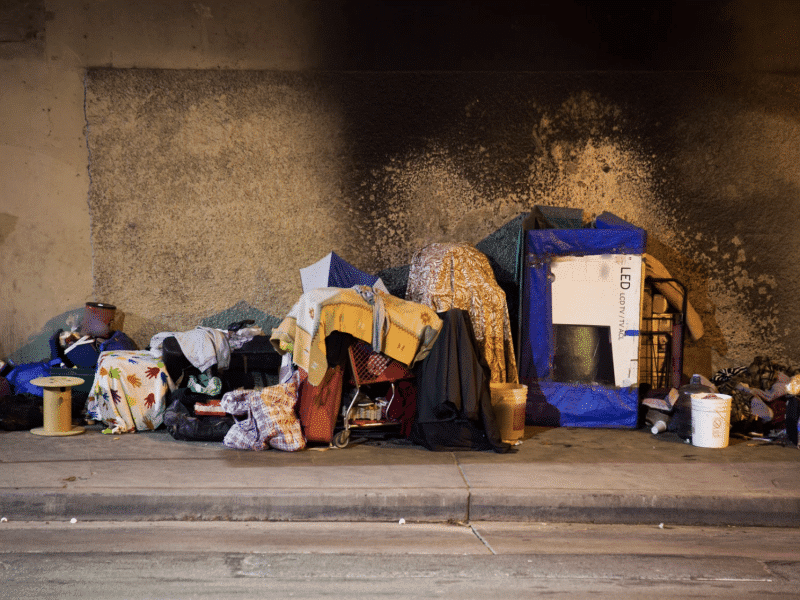
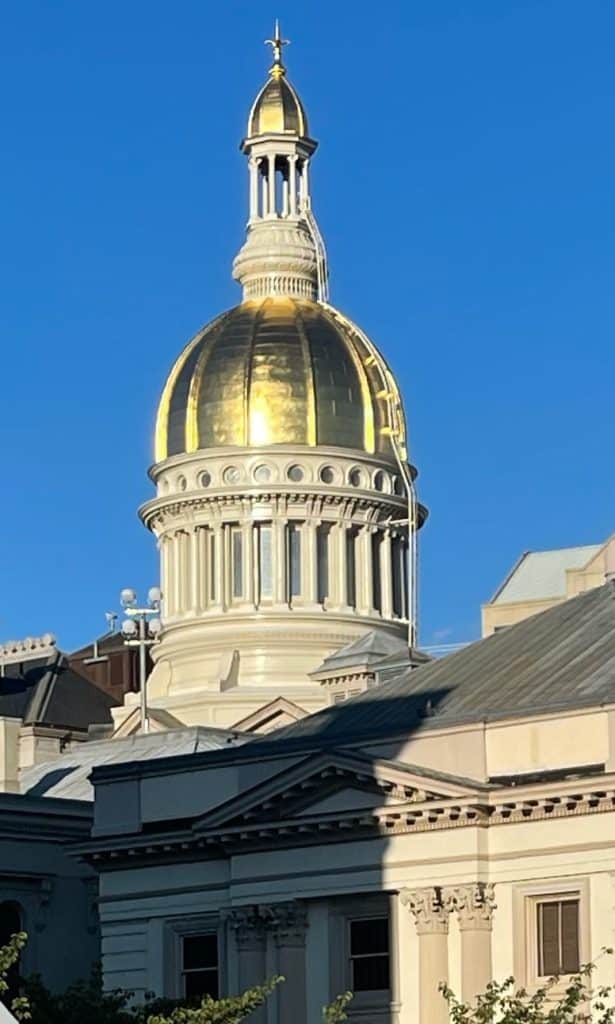
Recently, the scaffolding came down from the State House after a nearly six-year, $300 million renovation — a gleaming symbol of New Jersey’s heritage and democracy. But just blocks away, residents face blight, shuttered storefronts, and struggling neighborhoods in a city with a poverty rate of nearly 25%.
“There should be no poverty here. Trenton should be a showcase for Jersey success,” said Trenton resident James White. “We have the infrastructure — it just has to be updated.”
That infrastructure challenge extends beyond the streets. Trenton’s fiscal base remains bogged down by its concentration of tax-exempt properties — about 52% of city parcels, including state, federal, and county buildings. “A relatively few number of residents and businesses must support the cost of providing services to a relatively large geography,” notes the Trenton250 master plan.
In 2024, Mayor Reed Gusciora announced $50.5 million in state aid to help fill the city’s structural gap. “State support like this is essential to keeping our services running and our community strong,” Gusciora said. But even that lifeline, residents say, only scratches the surface of what is needed to make Trenton a viable place to thrive.
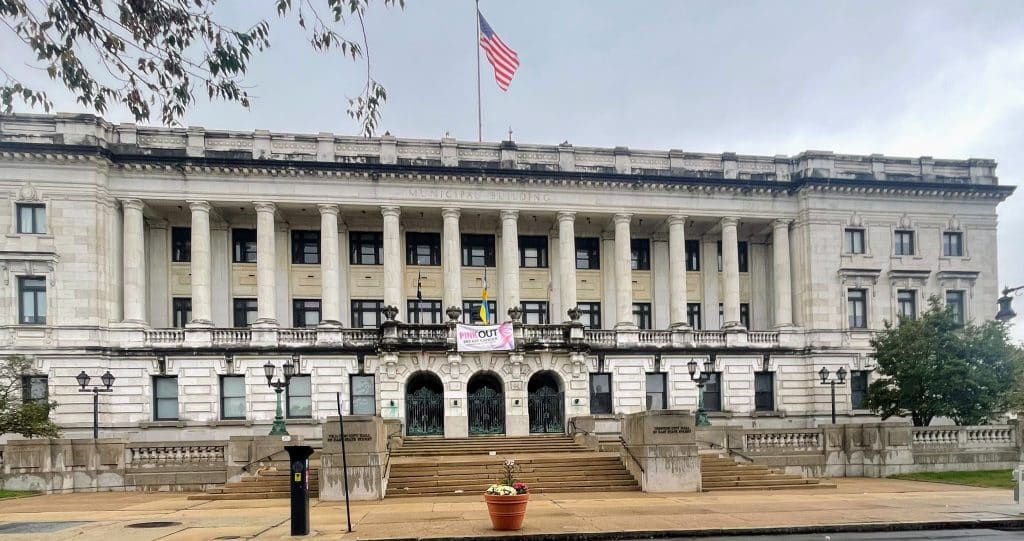
Public safety also remains a major concern. Despite progress, persistent gun violence, drug activity, and property crimes have kept many residents on edge. This summer, fights and loitering in front of City Hall led the mayor to issue Executive Order 25-01, banning public consumption of alcohol and drugs and tightening enforcement around city property. The hotbed of activity in front of the municipal building during the summer led some to label the area around the building as “Club City Hall,” adding fuel to the perception of Trenton’s internal dysfunction.
Water, Immigration, and the Politics of Trust
Beyond crime and blight, Trenton Water Works (TWW) remains one of the city’s most contentious issues. Once seen as a symbol of local control, TWW has faced scrutiny from the New Jersey Department of Environmental Protection for repeated noncompliance violations, aging infrastructure, and lead pipe concerns.
A 2018 state bill proposing the regionalization of TWW reignited debate about whether the state should take over the utility. Supporters argue that regionalization could bring long-term investment and efficiency; opponents see it as a power grab that would strip Trenton of one of its few remaining revenue-generating assets.
“They’re documenting noncompliance to take it over,” said one former TWW employee. Since 2018, TWW has been cited 16 times by the DEP — up from just two in the prior decade. For residents, the prospect of losing control over their water utility adds to decades of mistrust between the city and state.
Meanwhile, the Trump administration’s crackdown on undocumented immigration has created new tension in the city of approximately 90,000 residents, 29% of whom were born outside of the United States, according to DataUSA. Trenton is a sanctuary city, emphasizing community protection over federal enforcement. But recent reports of ICE activity in local neighborhoods have reignited fear and confusion in Trenton’s immigrant communities.
“Trenton is not in the business of aiding immigration raids,” Gusciora said after federal agents were spotted on Bayard Street in August. “Our focus is and will remain on protecting residents from crime, keeping neighborhoods safe, and building trust with the community we serve.”
In November 2024, the Department of Justice found civil rights violations by the Trenton Police Department (TPD). The Justice Department report revealed that TPD unlawfully uses excessive force, including unreasonable forms of physical force and pepper spray in the absence of any significant resistance or danger. TPD also conducts stops, searches, and arrests without reasonable suspicion or probable cause. In addition, the department identified deficiencies in training, supervision, policy, and accountability that contribute to TPD and the city’s unlawful conduct.
“For too long, the residents of Trenton have felt afraid of the police, rather than protected by them,” said U.S. Attorney Philip R. Sellinger for the District of New Jersey. “The use of excessive force and unconstitutional stops, searches, and arrests, sometimes with tragic consequences, have eroded public trust and undermined public safety.”
For many residents, these flashpoints—from water to immigration—highlight a deeper tension over who truly governs the city: local leaders or state officials who retreat once the workday ends.
Reclaiming the Capital
For all its challenges, Trenton remains rich in potential. The city’s arts and cultural community continues to flourish. Its location between Philadelphia and New York offers natural advantages for commuters and investors. Yet opportunities go under-marketed and underfunded in the state capital that has been without a hotel since the Lafayette Park Hotel & Suites was ordered to shut down in 2017 over safety violations.
With America’s 250th anniversary approaching in 2026, Trenton — the cradle of the Revolution — stands at a crossroads. Without significant investment from the next administration, the city’s role in that historic commemoration risks being overshadowed by bigger cities like Philadelphia.
“I teach a class on urban politics, and every time we come to the same conclusion — the success of Mercer County rises and falls with Trenton’s success,” said Micah Rasmussen, director of the Rebovich Institute for New Jersey Politics. “The better Trenton does, the better the region will do.” Rasmussen went on to list the positives Trenton has going for itself, including its diversity. “There is nothing inevitable about a city’s success. Cities are expensive, massive undertakings of resources. They require sustained investment. The needs are vast. And it’s easy to fall behind. I think Trenton struggles to maintain a steady investment for the same reason New Jersey Transit has struggled to attract and maintain a sustained investment—because it is easier to not fund something than it is to fund it steadily.”
A capital city is more than a backdrop. It is a mirror. When visitors see blight, brown water, and boarded-up homes just blocks from the State House, they see not only Trenton’s struggles but the state’s willingness — or refusal — to invest in its own image. The next governor will inherit that mirror. What they choose to do with it will reflect not just on Trenton, but on the Garden State as a body.
This story is part of the NJ 2025 Reporting Fellowship, in collaboration with 15 local and community news organizations, the Center for Cooperative Media at Montclair State University, and NJ Spotlight News. The stories in this collaboration focus on immigration, education, healthcare, the economy, and the environment from the perspectives of diverse communities in New Jersey.
Author