Repopulating Our Communities: A Just Alternative to Gentrification
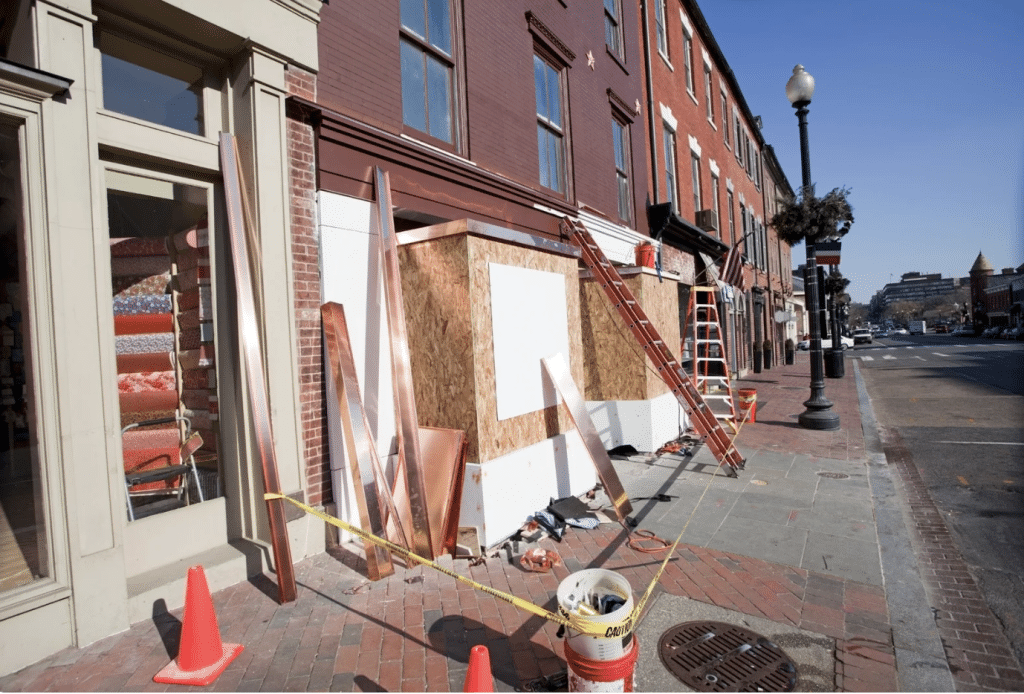
In cities across America, especially those with large Black and Brown populations, we are witnessing a troubling paradox: while thousands of housing units sit vacant, deteriorating, and abandoned, gentrification remains the dominant strategy for urban revitalization. This contradiction begs a serious question: Why are we still pushing gentrification when our communities need repopulation, reinvestment, and restoration?
In places like Trenton, Newark, Baltimore, Detroit, and beyond, population loss in Black communities didn’t happen by accident. It was the outcome of decades of discriminatory policies – redlining, urban renewal, predatory lending, and mass incarceration. These strategies stripped families of generational wealth, uprooted neighborhoods, and weakened the communal ties that sustained our people.
Now, with the housing crisis deepening and addiction, mental health, and poverty overlapping in compounding ways, we need to be bold enough to say: Gentrification is not the solution. It is displacement by design. It revitalizes neighborhoods, yes – but for whom? It invites capital investment, yes – but often at the cost of cultural erasure and community dispossession.
Instead of fueling the real estate speculation that gentrification brings, we must focus on repopulating our cities with purpose and equity. That means:
– Rehabilitating vacant properties for recovery housing, transitional support, and first-time homeownership – especially for formerly incarcerated individuals, those in recovery, and low-income families. – Incentivizing long-time residents to stay through inclusionary zoning, rent stabilization, and land trusts. – Centering trauma-informed planning in communities that have experienced generations of racialized harm and systemic neglect.
– Reimagining development through the lens of healing, not just profit.
As someone who works in recovery advocacy and urban planning, I see the intersections clearly. Our people are not just in need of housing – they are in need of validating spaces, of community-led development that prioritizes dignity over dollars. We should not be replaced in our own neighborhoods. We should be restored within them.
This is not simply about policy. It is about justice.
We don’t need another wave of outsiders redefining our streets. We need investment in the very people who never left – the mothers, the elders, the youth, and the returnees. We need to rebuild our cities from the inside out, with equity as the cornerstone and community voice as the blueprint.
Gentrification may be on the table – but repopulation is what truly sets the table for long-term stability, healing, and transformation. Let’s shift the narrative. Let’s reclaim our neighborhoods. Let’s recover – not just as individuals, but as whole communities.
This article is written by Stephani Register