Trenton’s Untapped Solar Farm: Powering the Grid but Not Our Kids’ Futures
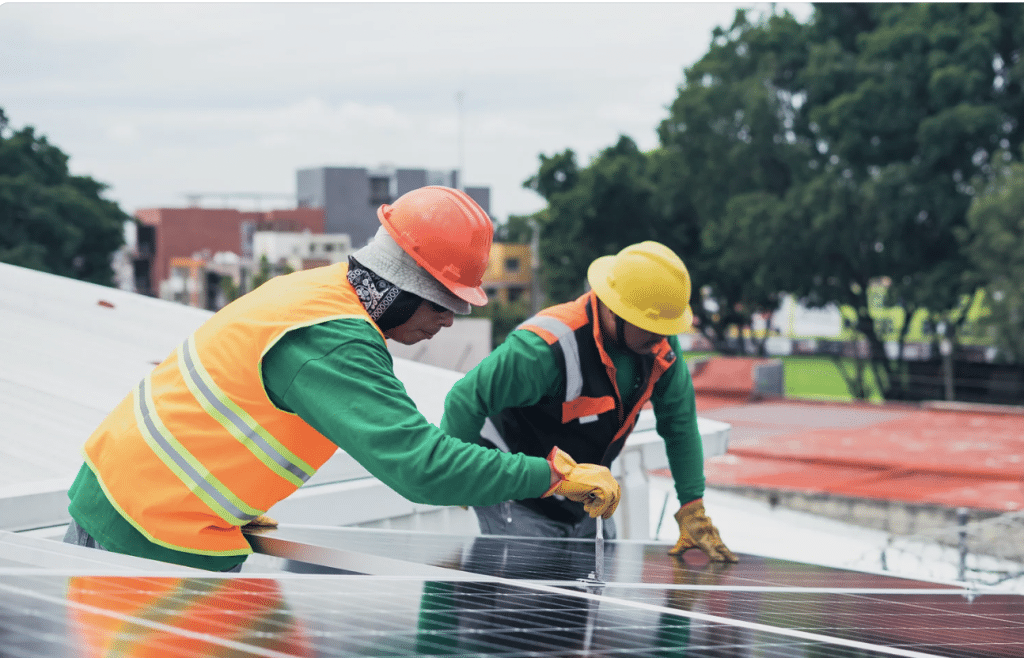
Back in 2010, I had the privilege of working with PSEG to plan and design one of New Jersey’s first urban solar farms. As my first major planning project, it was an exciting chance to collaborate with architects, engineers, and our city’s planning consultants. The site, a former brownfield, was far from prime real estate for conventional development—but that’s what made it perfect for renewable energy.
The vision was ambitious yet practical: transform an unused, contaminated parcel into a clean-energy hub and outdoor classroom. Located directly across from a local school, the solar farm was designed not just to generate electricity but to spark curiosity. Imagine students walking across the street to track solar energy output, conduct STEM experiments, and learn how renewable technology works—right in their own neighborhood. The data collected could also help evaluate how solar energy impacts local utility costs and environmental quality.
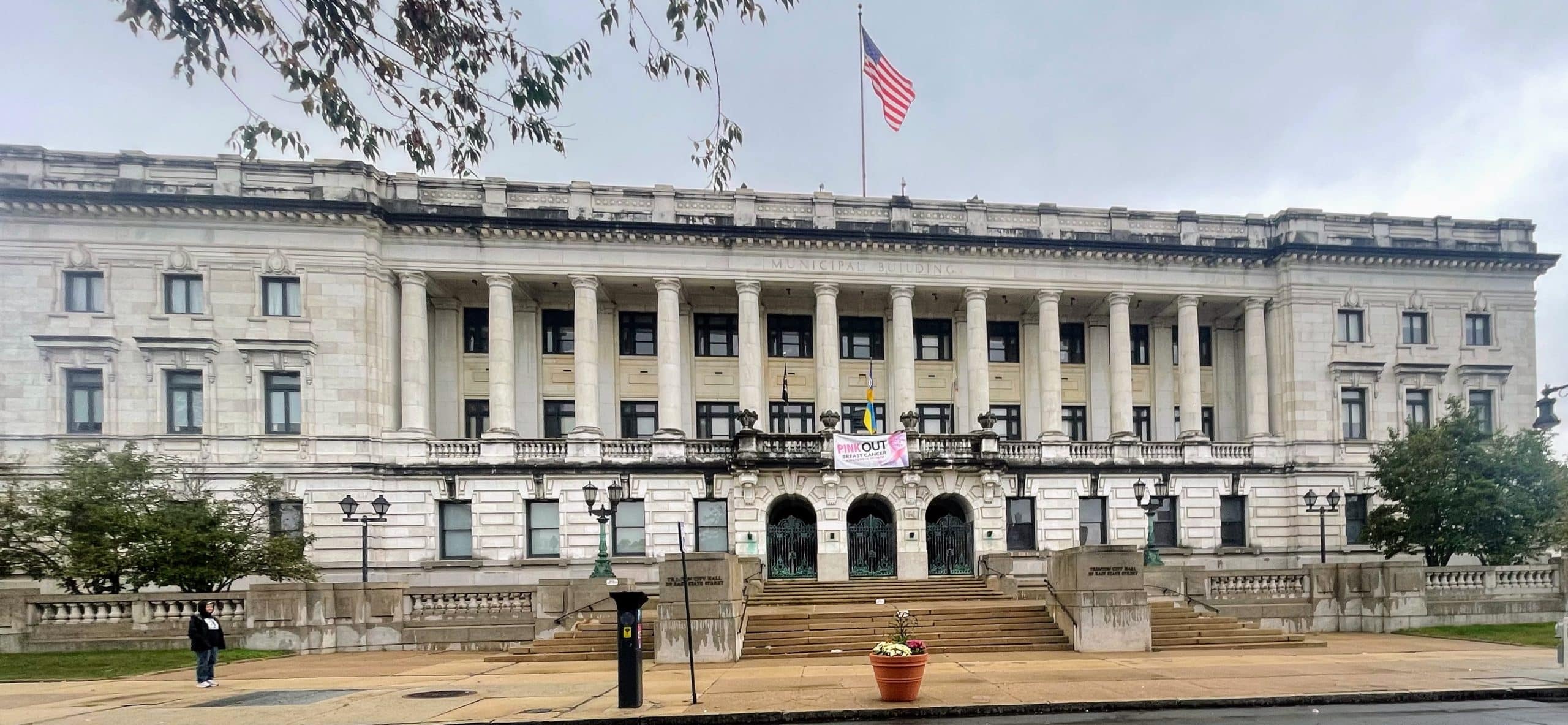
Unfortunately, that vision never materialized. PSEG completed the solar installation, but without strong partnerships between the City of Trenton, the school district, and community organizations, the educational and engagement components were left unrealized. Today, the site sits in the heart of the North Ward, producing power but not the deeper benefits it could have delivered.
This is more than a missed opportunity—it’s a lesson in why community-centered planning matters. Research on urban solar farms across New Jersey shows their potential: cleaner air, reduced carbon emissions, job creation, and revitalization of neglected land. When paired with schools, these projects can inspire the next generation of scientists, engineers, and environmental leaders. But without intentional follow-through, we risk creating infrastructure that serves only part of its purpose.
Trenton deserves better. We have the chance to revisit and reimagine this solar farm as a living lab—one that connects our students to renewable energy, our residents to clean power, and our city to a more sustainable future.
Because in the end, this is what planners do: we turn vision into opportunity. And it’s time to seize this one.
This Op-Ed is written by Stephani Register