When a Once-in-a-Generation Storm Hits, Trenton Gave Its All
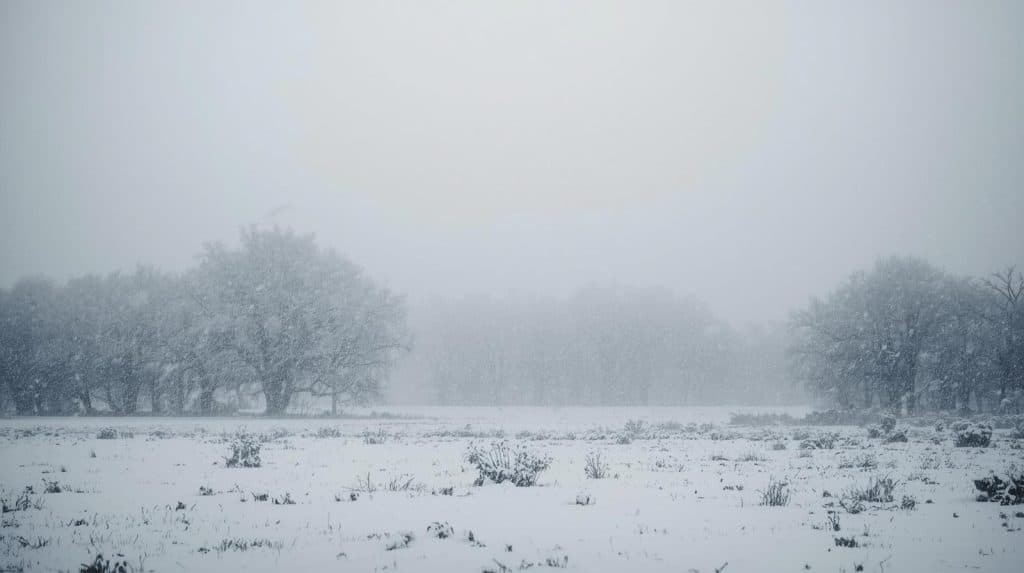
Trenton just experienced a 9-plus inch snowstorm—the kind of weather event that occurs roughly once a decade and has not been seen in this city in nearly 30 years. Cities across the region, including much larger and better-resourced municipalities, faced similar difficulties. That context matters.
Trenton’s storm response was a valiant, all-hands-on-deck effort, requiring logistics, labor, coordination, and real-time decision-making under rapidly changing and often dangerous conditions. Even with preparation, storms of this magnitude present challenges that no amount of planning can simply plow away.
Those challenges were compounded by sustained subfreezing temperatures. In such conditions, natural snow melt is effectively impossible. Salt and sand have limited immediate effect, and even aggressive plowing cannot quickly achieve bare pavement on residential streets. Expectations of instant curb-to-curb blacktop under prolonged extreme cold are not operationally realistic—anywhere.
Ahead of the storm, the City took multiple steps to mitigate impacts. We opened both downtown Trenton Parking Authority garages, worked with public schools to open their lots, and coordinated with the County to make available the CURE Arena lot and the Thunder Stadium garage for off-street parking. We issued robocalls and press releases, and the police used loudspeakers along emergency routes to alert residents. These measures were intended to give plows room to work and keep streets passable.
During and after the storm, Public Works, working alongside Recreation staff and private vendors, cleared more than 160 miles of roads and alleyways. Because Trenton includes a network of State, County, and City roadways, coordination across jurisdictions was required. In areas with severe accumulation and no place to push snow, the City trucked out approximately 100 truckloads—a costly and labor-intensive operation undertaken precisely because space in a dense city is limited. This response did not occur in a vacuum.
While snow operations were ongoing, the Trenton Fire Department responded to a major fire on Princeton Avenue that displaced two families. The Police Department was out in force managing traffic hazards, emergency calls, and public safety conditions citywide. The Department of Health operated two warming centers, helping residents in need safely weather the storm. This was a full-scale, multi-department emergency response.
Despite advance notice and available parking alternatives, many residents chose not to move their vehicles. When cars remain on narrow city streets, plows have no choice but to push snow toward them. This can block vehicles and driveways—an unfortunate but unavoidable reality in dense urban environments. While towing caused inconvenience and expense, it was essential for clearing emergency routes, and not all vehicles could be processed once buried by snow.
None of this negates residents’ frustration. Snowstorms are disruptive. Parking becomes tense. Tempers flare. That is precisely why the City repeatedly urged cooperation and continues to ask residents to look out for one another and follow the law regarding public parking spaces. Saving spots on public streets is not permitted, and confrontations help no one.
What should also be clear is this: City workers showed up. They cared. They worked hard. Any suggestion otherwise ignores the boots-on-the-ground reality. Crews worked through two major snow waves, in extreme cold, while simultaneously responding to fires, traffic incidents, and public health needs. They did so with professionalism, commitment, and often personal risk.
Public communication during emergencies serves an important purpose—to share information, encourage safety, and maintain transparency. Being visible is not performative; it is leadership. Residents deserve to know what is happening, what to expect, and why certain outcomes—however inconvenient—are sometimes unavoidable.
Trenton will continue to review storm operations, identify improvements, and prepare for future weather events. Constructive criticism is welcome, and ongoing dialogue will help inform future improvements.
Most importantly, the men and women who plowed, salted, shoveled, drove, dispatched, treated, rescued, and protected our city deserve recognition—not derision—for a valiant effort under exceptionally challenging conditions.
The ideal may be a winter wonderland cleared effortlessly before our eyes, but the reality was a hard fight against the elements. For that effort, Trenton’s storm responders deserve our thanks and respect.
This Op-Ed was written by W. Reed Gusciora, Trenton’s 49thMayor.