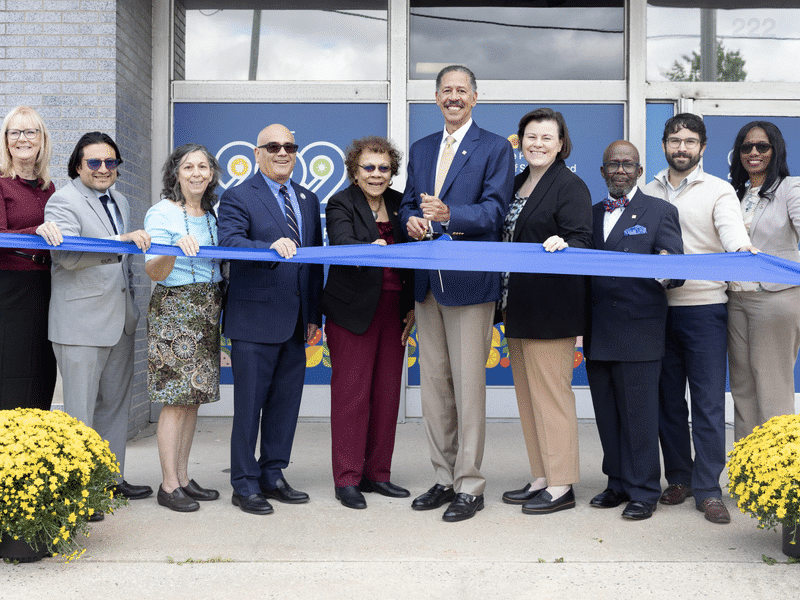
Gusciora pushes back on Carver Center ‘Takeover’ claims, cites public bidding process
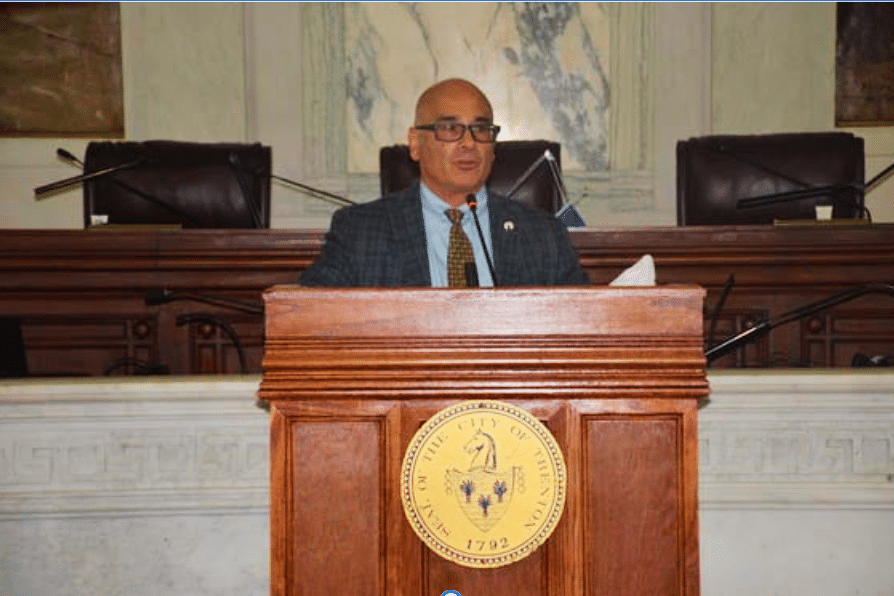
Trenton Mayor W. Reed Gusciora is pushing back against questions surrounding the restoration of the historic Carver Youth and Family Center, saying the city acquired the Fowler Street landmark to preserve its legacy and awarded the initial restoration contract through a public bidding process.
In a statement to the Trenton Journal, Gusciora outlined how the city acquired the property, secured funding for the first phase of restoration, and selected a contractor. He rejected allegations that the city intends to turn the building over to developers selected in advance or erase its African American history. “The City acquired the Carver Center to save it, not to surrender it,” Gusciora said, adding that considerable misinformation has circulated about the Carver Center.
Author and social activist Dr. Angeline Dean has joined the discussion, raising concerns about the timing of a groundbreaking ceremony originally scheduled for October 15. The event conflicted with a regularly scheduled meeting of the Capital City Community Coalition, known as FourCs, which focuses on public safety, youth programs, and community advocacy. Dean also questioned whether holding the ceremony during the workday would prevent working residents from attending the Carver Center Groundbreaking Ceremony.
Following concerns about scheduling and competing community events, Gusciora announced that the groundbreaking would be postponed. “In light of [the] Black Issues rally and public interest in both, we decided to postpone our event for the Carver Center groundbreaking to Tuesday, October 20th at noon,” Gusciora said.
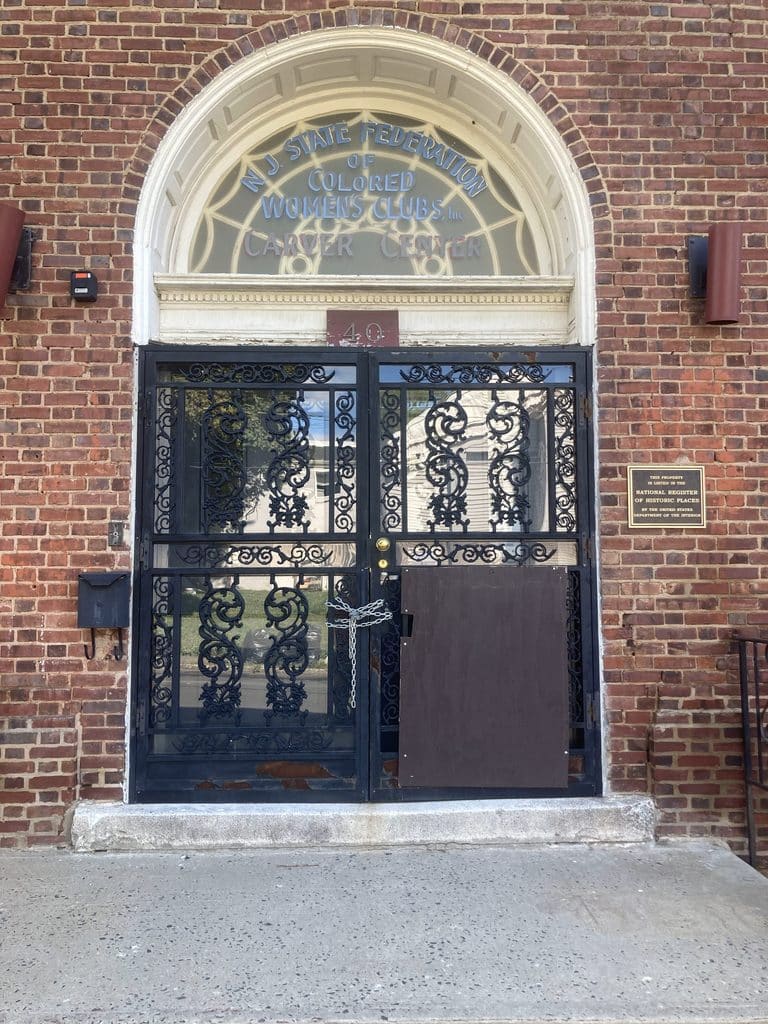
As the Trenton Journal previously reported, City Council approved a $2,527,800 contract for the first phase of restoration at the Carver Center, located at 40 Fowler Street. The work focuses on the building’s roof and exterior and is supported by federal Community Development Block Grant funding. The full rehabilitation is expected to cost more than $8 million.
Public Records Detail How the Contract Was Awarded
Addressing questions about the contractor selection, Gusciora pointed to the public bidding process and City Council’s approval of the contract. According to the mayor, the city received two sealed bids on May 7, 2026, for the Carver Center’s exterior restoration and rehabilitation. Spartan Construction Inc., based in South Amboy, submitted the lowest responsible, responsive bid.
The city’s official bid posting confirms that the project was publicly advertised as BID2026-36, with a scheduled bid opening on May 7, 2026. The solicitation covered exterior restoration and rehabilitation of the Carver Youth and Family Center.
On September 1, 2026, City Council unanimously approved Resolution 26-345, authorizing a contract with Spartan Construction for up to $2,527,800, including additional work and contingencies, Gusciora said. The mayor said the process did not involve a secret arrangement to transfer the property to developers selected in advance. “There was no secret arrangement to turn the Carver Center over to pre-selected developers or to erase its African American identity,” Gusciora said.
The public bidding process and council vote provide a documented timeline for awarding the contract. Questions about the project’s broader direction, including the building’s future use and the funding needed to complete the rehabilitation, remain important areas for public scrutiny, as do questions about how residents will participate in decisions about the Center’s legacy.
City Acquired the Building to Prevent Demolition
Gusciora said Trenton purchased the property for $200,000 after the National Association of Colored Women relinquished ownership. With City Council’s approval, the city exercised its right of first refusal under the property’s deed restriction. “For a financially distressed city like Trenton, finding that kind of funding is no easy task,” Mayor Gusciora said. According to the mayor, other proposals for the property included demolition or conversion into warehouse space. His administration instead chose preservation, given the Carver Center’s place in Trenton’s African American history.
Built in 1922 by the Sunlight Elks Lodge, a Black fraternal organization, the building became an important gathering place during an era when segregation severely limited Black residents’ opportunities to assemble outside churches. Over the years, it served as the Colonel Charles Young Soldiers Club, a YMCA-operated center, and eventually the Carver Youth and Family Center. According to the mayor’s statement, the legendary Trenton Cavaliers also rehearsed there.
For generations of residents, the Carver Center was more than a building. Its gymnasium hosted celebrations and community events, while its classrooms and gathering spaces supported educational, cultural, and civic activities. That history is a major reason residents are invested in the restoration. Preserving the physical structure is one part of the effort; ensuring that its legacy and connection to the community remain part of its future is another.
In May, a Change.Org petition was created to support the permanent protection of the Carver Center Youth & Family Center’s name, prevent future renaming without public input, ensure community decision-making affecting the site’s identity, and protect the building’s historical and cultural legacy. The petition has garnered nearly 1,200 verified signatures to date.
$2.6 Million Secured for First Phase of Restoration
Acquiring the property was only the first step. Restoring a century-old building presents significant financial and construction challenges.
Gusciora estimated that rehabilitating the entire structure would cost approximately $8 million. The city secured about $2.6 million for the first phase through federal Community Development Block Grant funding, with support from U.S. Rep. Bonnie Watson Coleman and state Sen. Shirley K. Turner, who previously worked at the Carver Center.
The initial phase addresses critical structural needs. It does not constitute a complete rehabilitation, and additional funding will be required to restore and modernize the interior. The building’s historic designation also means restoration work must meet applicable preservation requirements and require specialized expertise to rehabilitate the historic structure, which was listed on the National Register of Historic Places in 2022.
The administration has said it will continue seeking funding for subsequent phases. The timeline for completing the rehabilitation, however, will depend on the availability of additional resources and the scope of the remaining work.
While Gusciora has defended the city’s acquisition of the property and the contractor selection process, the controversy over the groundbreaking ceremony has raised a separate question: How effectively is the administration engaging the community in a project rooted in Trenton’s African American history?
Dean suggested that the scheduling raised concerns about whether city officials understood existing community commitments or had adequately considered residents’ ability to participate. “When scheduling this event, either you don’t know your community, or you do, and this was purposeful,” Dean told the Trenton Journal.
Gusciora said he welcomes questions about the project’s financing, construction, and future, while rejecting accusations he believes unfairly divide Trenton’s communities. “We didn’t save the Carver Center to change its history. We saved it because its history matters,” he said.