Continuing the discussion about Downtown Trenton
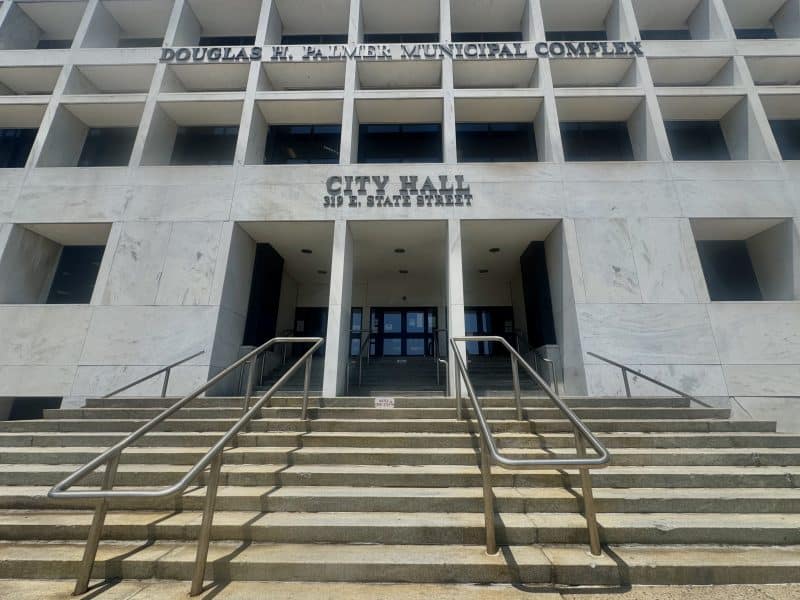
During a 2025 summertime Trenton Council meeting, Council discussed the positives and negatives of the curfew imposed by the Mayor’s Executive Order.
During public comment, I reminded Council about the downtown envisioned in the Trenton250 Master Plan. Since that time, there have been meetings – notably with representatives of the Mayor’s Administration, TDA, Mercer County, the State through CCRC, and others – discussing a strategy for Downtown development.
Continuing the discussion about downtown Trenton requires us to look honestly at what it must become if Trenton is going to fulfill its role as the capital of New Jersey. Trenton250 is an excellent starting point. It envisions downtown Trenton as the economic center of Mercer County and the Central Jersey region – a vibrant 24-hour downtown built around six strategies: preserving economic anchors; attracting market-rate housing; supporting arts and culture; nurturing retail; leveraging anchor institutions; and capitalizing on downtown’s physical assets.
The good news is that developers are building and people are moving downtown. The 120-unit Van Sciver’s redevelopment and numerous other residential projects underway or in the pipeline give Trenton something it has lacked for decades: a growing residential customer base. But there is another reality. Trenton has long struggled to get State workers out of their offices and into local businesses. With hybrid work schedules and many State employees downtown only part of the week, Downtown cannot build its economic future on the assumption that thousands of State workers will someday soon fill restaurants and stores five days a week. The State remains an important anchor, so we should not give up on the State workforce. But we must shift away from being overly dependent upon it.
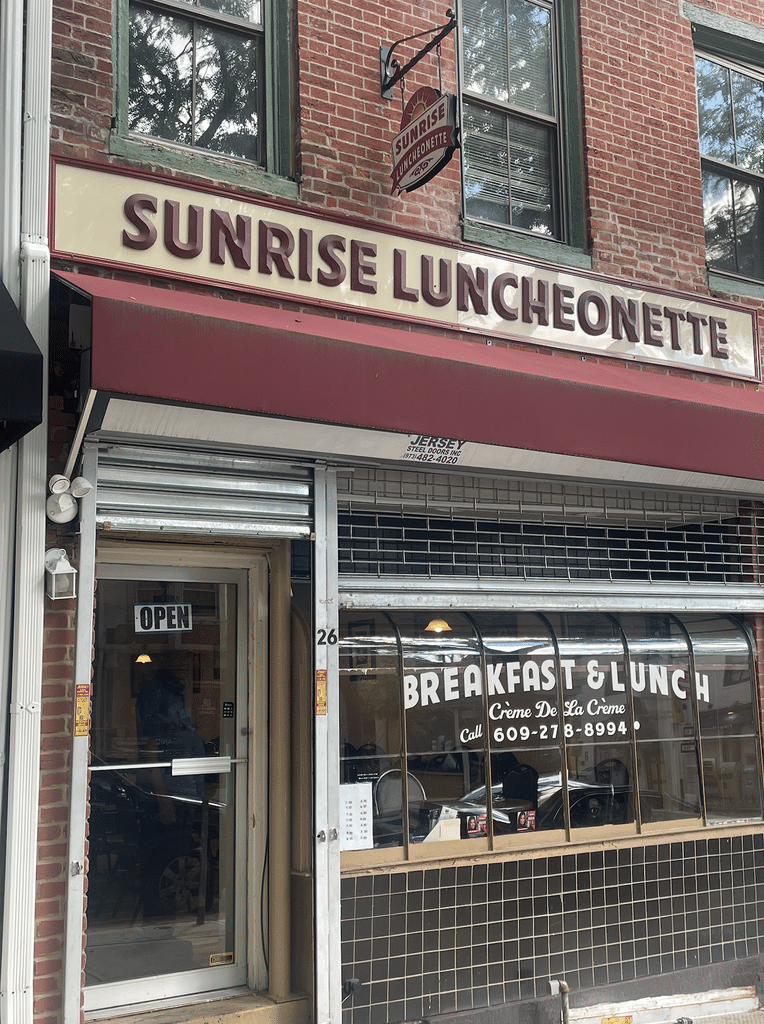
The downtown economy of the future needs three distinct customer bases: residents, workers, and visitors – in that order. Residents provide the foundation. They do not disappear at 4:30 p.m. But residents need the everyday access to services a neighborhood runs on – groceries, a pharmacy, coffee, dinner, haircutting and salons, dry cleaning, a gym, pet care, and places to socialize – seven days a week. More residents create demand for businesses; more businesses attract more residents; and together the increase in both attracts employers and investors. With the foundation in place, State, City, County, and other workers provide a daytime boost. And visitors, commuters, students, and regional customers add to evening and weekend activity.
We should be strategic about what businesses we recruit. For example, we should not chase restaurants that require hundreds of State workers walking out at lunchtime to survive. Instead, we should recruit businesses that succeed because residents patronize them during the weekdays, weekends, days and nights, while also benefiting from State workers, visitors, and others who come downtown.
We should also think differently about the State as a customer. State agencies generate enormous demand for catering, meetings, conferences, and receptions. Downtown businesses should compete aggressively for that business, making the State not merely an employer located in Trenton, but a customer of Trenton businesses. This should remain part of the strategy when the hotel comes back online.
We should also think of downtown as a series of connected neighborhoods: residential services around Mill Hill and South Broad; restaurants and entertainment along Warren and State Streets; arts and culture around existing institutions; and transit-oriented development around the Transit Center.
Most importantly, we need to stop asking whether Trenton can support these businesses and start asking what businesses the new Trenton needs. The City, CCRC, property owners, and business organizations should identify businesses most needed by the growing downtown population and actively recruit them, directing incentives, tenant improvements, façade programs, technical assistance, and coordinated marketing toward filling those gaps. Trenton250’s call, which I highlighted for Council, for a detailed Downtown Strategic Development Plan is more relevant than ever.
Trenton is the capital of New Jersey, with a State workforce, a major transit center, historic resources, arts and cultural institutions, educational institutions, the Delaware River, and a growing residential population. The opportunity is not to recreate the downtown of 30 years ago. It is to build the downtown the next generation of Trenton residents, workers, and visitors will want to live in, work in, and experience.
That is the promise of Trenton250’s vision of a 24/7 downtown. The question now is whether we have the collective will to turn that vision into reality – can we implement and execute?
Willard Alonzo Stanback is a practicing attorney who opened his solo practice in Trenton in 2011. During the first half of 2023, he was the Acting Director of Housing and Economic Development for the City of Trenton. He is also a former chair of the Trenton Downtown Association (TDA) board and a former board member of Isles and the Capital City Redevelopment Corporation (CCRC). Currently, Stanback is on the board of the Thomas Edison State University Foundation and a member of the Trenton Breakfast Series committee for the Princeton Mercer Regional Chamber of Commerce (PMRCC).