Jobs and Homes Are One Problem, Not Two
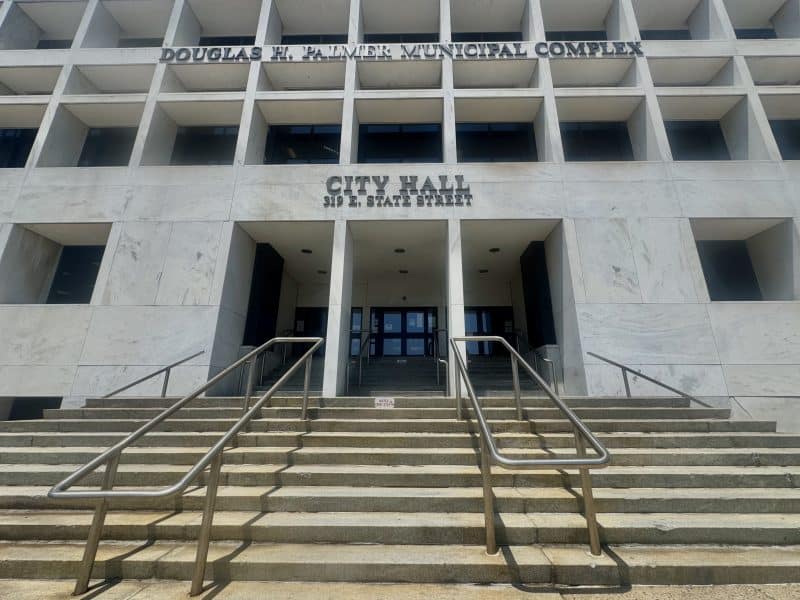
No matter who is sitting in City Hall come January, Trenton’s next chapter will turn on a question bigger than any one administration: will we treat employment and housing as an interconnected challenge? I venture to say that the numbers say we should.
It’s been suggested that our metro unemployment rate fell from 5.6% to 4.6% in a year, but payroll employment was lower. That’s a sign of fewer jobs – not more opportunity. It’s also been reported that among Trenton adults, roughly 14% lack a high school diploma and only about 11% hold a bachelor’s degree. The region’s high-skill jobs and our Trenton’s residents’ skills aren’t matching.
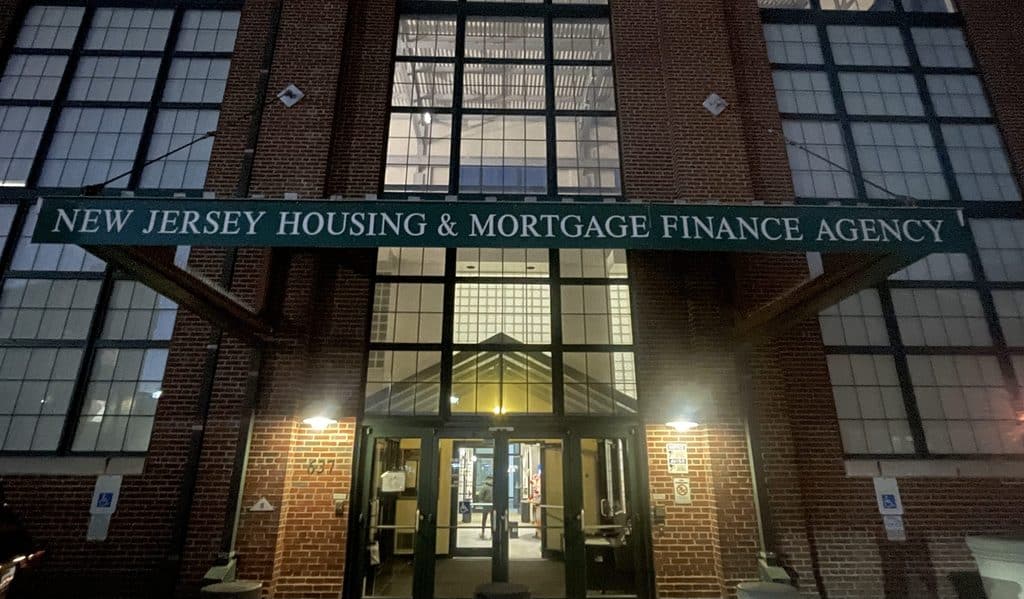
The lack of affordable housing widens the gap. A two-bedroom at fair market rent costs just under $2,000 a month and it’s believed that affording one takes roughly $37.84 an hour, far above what entry-level healthcare, logistics, or manufacturing jobs typically pay. That said, if we’re recruiting employers without fixing the salary vs. housing costs math, we’ll be training workers who can’t afford to stay.
Trenton also carries a particular burden – not carried in the same way and the same degree by many other municipalities. The city counts 8,282 deed-restricted affordable units, that’s 24% of its housing. This housing is often poorly maintained. The answer isn’t simply more of the same. It includes better mixed-income housing near transit and jobs and the rehabilitation of abandoned properties.
Here’s where the two elements of the unified challenge meet. Consider the thought of training residents in the trades and put them to work rehabbing vacant buildings (aspects of the “Fight the Blight” program?). How about pairing healthcare and logistics recruitment with first-source hiring so jobs go to neighbors, not only commuters? Should we place workforce housing near the train station? How do we protect longtime residents from displacement as investment arrives?
None of this is partisan. A resident needs a paycheck and a roof, and one without the other is not feasible. City Hall administrations will come and go, but the interconnection will persist. Employers, lenders, nonprofits, schools, and City Hall should commit now to a shared jobs-and-housing agenda and hold every administration accountable for following it.
Willard Alonzo Stanback is a practicing attorney who opened his solo practice in Trenton in 2011. During the first half of 2023, he was the Acting Director of Housing and Economic Development for the City of Trenton. He is also a former chair of the Trenton Downtown Association (TDA) board and a former board member of Isles and the Capital City Redevelopment Corporation (CCRC). Currently, Stanback is on the board of the Thomas Edison State University (TESU) Foundation and a member of the Trenton Breakfast Series committee for the Princeton Mercer Regional Chamber of Commerce (PMRCC).