‘Once Upon a Time in Harlem’ brings Harlem Renaissance voices back to Life
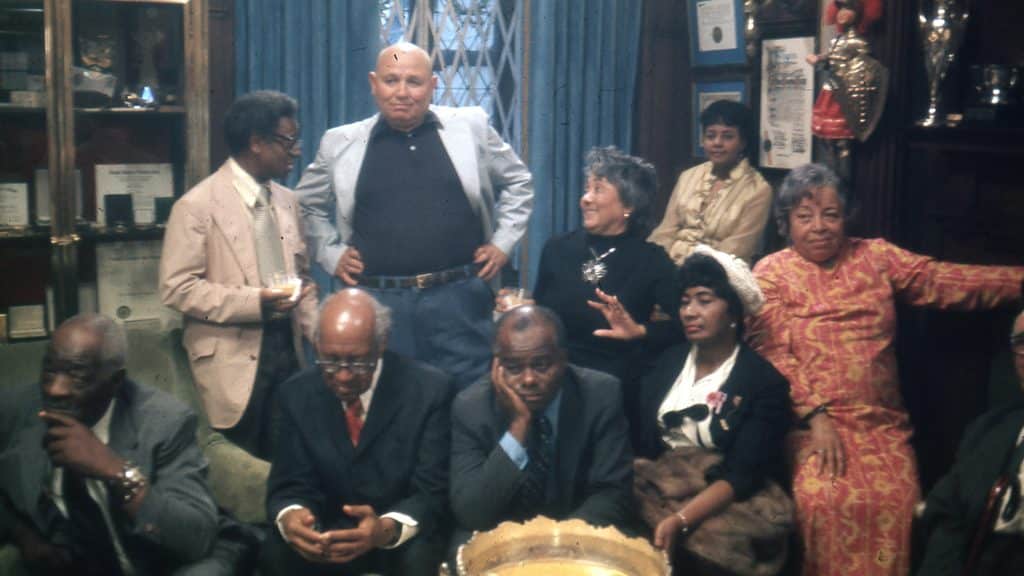
More than 50 years after filmmaker William Greaves brought together some of the most influential figures of the Harlem Renaissance for an unforgettable evening, their conversations are reaching a new generation through Once Upon a Time in Harlem, which premieres in theaters today.
Conceived and filmed by Greaves in 1972, the documentary captures a remarkable gathering of Black artists, writers, musicians, intellectuals, and cultural pioneers reflecting on their lives and the movement that helped reshape American culture. Now restored and completed by his son, filmmaker David Greaves, the film offers a rare glimpse into a generation whose contributions continue to influence Black artistic expression.
In an interview with the Trenton Journal, David Greaves and his daughter, Liani Greaves, discussed the film’s enduring significance, what William Greaves might think about today’s culture of constant documentation, and why preserving personal memories matters more than ever.
For Liani Greaves, the documentary is not simply a historical record. It invites contemporary artists, journalists, and community builders to recognize their own place in history.
“The people that are on the direct legacy of folks like Eubie Blake” and other Renaissance figures still exist today, she explained, pointing to the artists and cultural leaders continuing that tradition.
Her message was that people should recognize themselves in the documentary’s participants and understand that the work they are doing now may one day carry similar historical significance.
“What’s important is that those people today see it and recognize themselves,” Liani said. “Right now, we are creating history for the generations that’ll come after us.”
Who Would Be Invited Today?
Asked which contemporary figures might be invited if the documentary were filmed today, Liani mentioned artists including Jon Batiste and Lena Waithe. But David Greaves suggested that the gathering should develop organically rather than through a predetermined list of celebrity names.
The challenge, he explained, is that the people who eventually become influential are not always recognized at the beginning of their journeys.
In 1972, the significance of the gathering was not necessarily apparent to everyone in the room. The same could be true of a similar gathering today.
David said bringing together people from different artistic and intellectual disciplines would require a central figure who knows the participants and can connect them across their respective fields.
Liani added that contemporary artists and community builders are already creating those opportunities in their own spaces, often without realizing that their interactions may someday become part of the historical record.
The film, she said, demonstrates why those encounters deserve greater attention.
What Would William Greaves Think About Today’s Culture?
With smartphones and social media making it possible to record nearly every moment, the interview turned to what William Greaves might think of today’s culture of constant documentation.
David suggested his father would have recognized the potential of technological advances to make history more accessible.
He recalled a recent visit to Harlem, where they encountered an interior designer who occasionally gathered creative people in his studio to talk. David imagined how valuable those seemingly ordinary conversations could become decades later if someone recorded them.
For the people participating, the gatherings might feel like everyday life. But their descendants could eventually see them as windows into a world they never knew.
“Fifty years in the future, their kids would say, ‘Oh, gee whiz. That’s what they were doing,’” David explained.
The point, he suggested, is not simply to document life for the sake of posting it online. It is to preserve meaningful moments that might otherwise disappear.
Liani echoed that sentiment, encouraging people to record their parents and grandparents, share family stories, and pass those memories to future generations.
She described her grandfather as an Afro-futurist who understood that people in the future would need access to the history he was preserving.
A Bridge Between Generations
For audiences unfamiliar with the Harlem Renaissance, Liani said the film offers an opportunity to discover the artists and thinkers who shaped the era while reflecting on the importance of their own relationships and histories.
She hopes viewers will leave inspired to preserve their family memories and recognize the historical value of their communities.
The documentary opens with a quotation from her grandfather: “A man’s social history is his essence.”
That idea takes on particular significance at a time when debates over how American history is taught and remembered continue to intensify.
Once Upon a Time in Harlem offers a powerful reminder that history is not only found in textbooks or museums. It lives in conversations, family stories, creative collaborations, and the experiences people pass from one generation to the next.
By completing his father’s vision, David Greaves has helped ensure that a remarkable gathering of Black cultural pioneers will remain accessible to audiences who might otherwise never have heard their voices.
The film also challenges today’s artists, journalists and community leaders to consider what they are leaving behind.
The next generation of historical storytellers may be documenting its own defining moments right now, often without realizing their significance.
As Liani Greaves emphasized, recognizing that responsibility begins with understanding that the present is already becoming history.
Author