Trenton has, for years, had a plan for Downtown. It just hasn’t been implemented
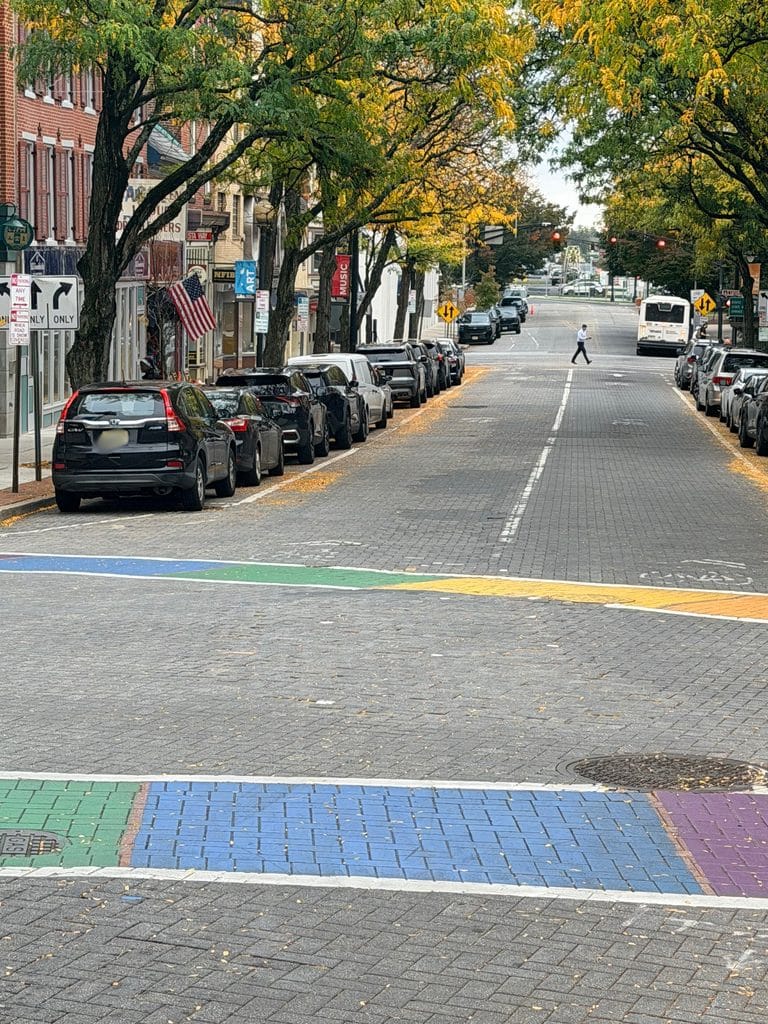
Let’s be clear: for several years now, Trenton has had a vision for its downtown. As some of the Mayoral candidates have recognized, Trenton250, the City’s master plan to its 250th anniversary in 2042, describes that vision in thoughtful detail (www.Trenton250.org). Residents helped name its sites, partners, and logic. What the plan does not detail is implementation: who does what, in what order, with what money, and how the public will know whether it is working. With these kinds of questions unanswered, it’s not surprising that the vision for downtown still lives on a website, not in the real world.
I submit that the plan’s logic is sound. As I have written before, Trenton’s Downtown needs people living in it. Their spending supports better shops and restaurants, which in turn make downtown a place where more people want to live. Arts and culture reinforce the growth. Employers across Central Jersey will take positive notice of our capital city – with a train station that reaches New York and Philadelphia in about an hour. But housing has to come first. We have tried filling storefronts before filling apartments, and the results have not held.
So, what might real ‘going forward’ implementation look like?
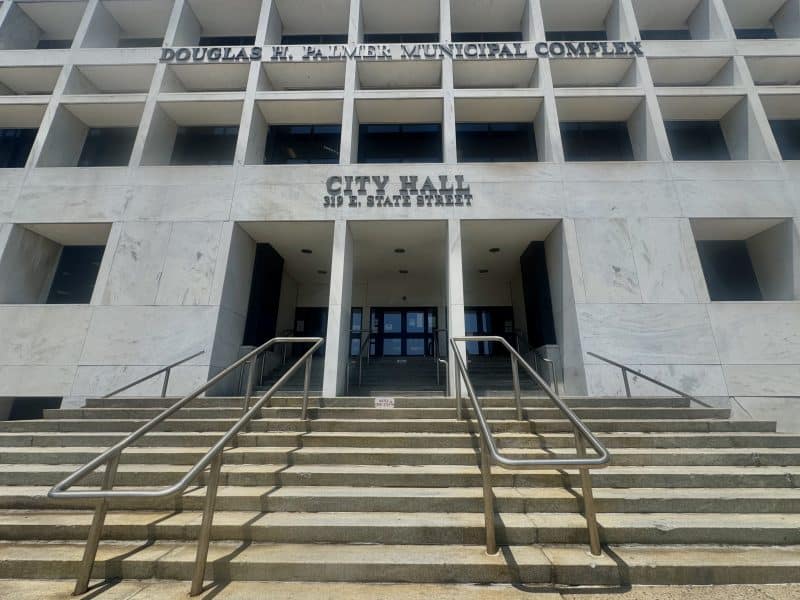
During the first year, we should be getting organized. We can formalize a downtown partnership amongst the City, County, Trenton Downtown Association, Trenton Parking Authority, Capital City Redevelopment Corporation and the State, with one accountable City Hall lead and public tracking of every action item. The strategic development plan should focus on deals, not design rules. In fact, Trenton250 concedes that earlier efforts stalled because they called for enforcing a design code. Because the plan is now dated, we must audit every recommendation to make sure they are still current. And we must develop the sites the plan names: the City Hall parking lot, the Front Street Parking Authority garage, the Bayville lot, and the corners bookending Mill Hill Park (E Front & S Montgomery and E Front and S Broad).
During years one through three, we should be closing the first deals. We should advance development of publicly controlled sites and update our policies to support more mixed-use buildings. As residents arrive, we can launch the retail tools the plan recommends (e.g., a recruitment broker, pop-up storefronts, a façade program and a downtown restaurant fund), focused first on South Warren and West Lafayette. We can also increase our support of arts and cultural initiatives and create zones for affordable live-work experiences.
During years three through seven, we should connect the pieces. We can make State Street the active spine linking the Transit Center, the downtown core, Old Trenton, and the Capitol complex. These efforts would include pursuing transit-oriented development on the parcels the plan identifies near the station and supporting a clear and aesthetically pleasing route into downtown, and a historic corridor from the Battle Monument down Warren and Front Streets to the Old Barracks.
During the time beyond these initial years, we can reshape the edges. We should continue the efforts to rebuild Route 29 as an urban boulevard. This reconfiguration would return the riverfront to the city. It has also been suggested that we consider making Market Street a true north-south corridor and returning surplus state buildings to the tax rolls.
Speaking of partners, none of the big moves happen without the involvement and support of the State. It is downtown’s largest landowner and employer, and it controls the highways that wall us off from the river. Trenton250 asks the State to keep its workforce in Trenton while occupying less land, freeing sites for taxable use. That requires a formal City–State compact, not occasional goodwill.
Finally, we measure our progress. I was told long ago that you don’t do what you don’t measure. Our annual scorecard should track, among other things, (1) new downtown units occupied, (2) storefront space usage, (3) evening foot traffic, (4) growth in ratables, and (5) the size of the State’s footprint. Constituents should see progress in plain numbers.
The year 2042 sounds distant, but it is only sixteen years away. I urge the 2027–2030 Mayor and City Council to adopt a downtown implementation framework within the first six months of 2027, with names, dates, and dollars attached.
All said, Trenton has a plan. Now it needs a calendar of implementation steps.
Willard Alonzo Stanback is a practicing attorney who opened his solo practice in Trenton in 2011. In the first half of 2023, he served as Acting Director of Housing and Economic Development for the City of Trenton. He is also a former chair of the Trenton Downtown Association (TDA) board and a former board member of Isles and the Capital City Redevelopment Corporation (CCRC). Currently, Stanback serves on the board of the Thomas Edison State University (TESU) Foundation and on the Trenton Breakfast Series committee for the Princeton Mercer Regional Chamber of Commerce (PMRCC).