Trenton’s next chapter: a capital city ready to invest in itself – part 1
Over the past several months, I have had opportunities to participate in a number of conversations with local stakeholders about the future of downtown Trenton. Those discussions have repeatedly returned to a common theme: local business owners and developers want to invest in Trenton, and they want to be part of its success story.
The observation may seem simple, but it represents a profound shift in how many people view Trenton. For years, conversations about development in Trenton focused largely on attracting outside investment. Today, there is growing interest from entrepreneurs, property owners, and small business operators who already have roots in the city and who want to invest their own capital into the neighborhoods and commercial corridors they know best.
This matters because cities are strongest when the people who live, work, and do business within are also invested in the cities’ futures. The challenge before us is not whether there is interest. The challenge is whether Trenton is prepared to create the conditions that allow and support local investment.
The conversations I have had have also highlighted the growing role of government and mission-driven organizations in shaping Trenton’s future. There is an increasing interest in seeing such organizations participate in broader development opportunities that can strengthen neighborhoods, expand housing options, support commercial revitalization, and create pathways for economic mobility. Organizations that understand Trenton’s neighborhoods, residents, and long-term needs bring a perspective that cannot be replicated by outsiders alone.
Fortunately, the transformation of Trenton is no longer theoretical. It is already underway.
Across downtown, investors, developers, nonprofit organizations, and neighborhood stakeholders are demonstrating that Trenton’s future can be built upon a combination of historic preservation, housing development, entrepreneurship, and community engagement.
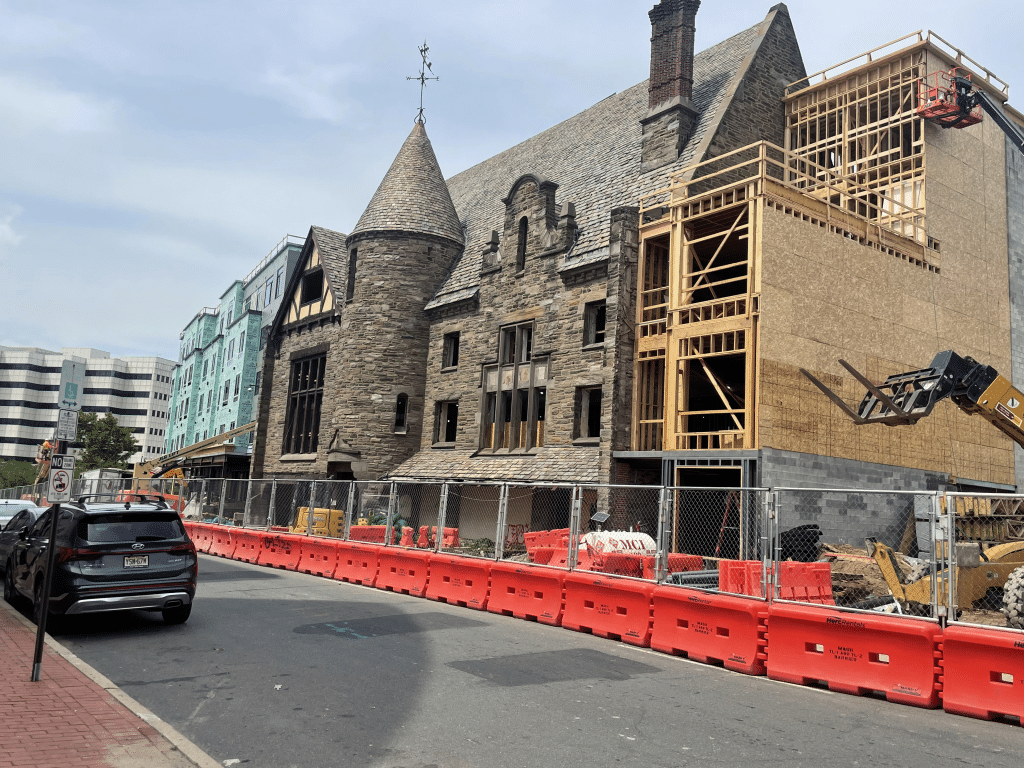
The redevelopment of the historic Van Sciver property is just one example. Once a long-vacant and underutilized site, the project is transforming an important downtown landmark into new residential housing while preserving a piece of Trenton’s architectural heritage. The project demonstrates that historic buildings can become catalysts for economic activity, bringing residents, businesses, and renewed energy into the urban core.
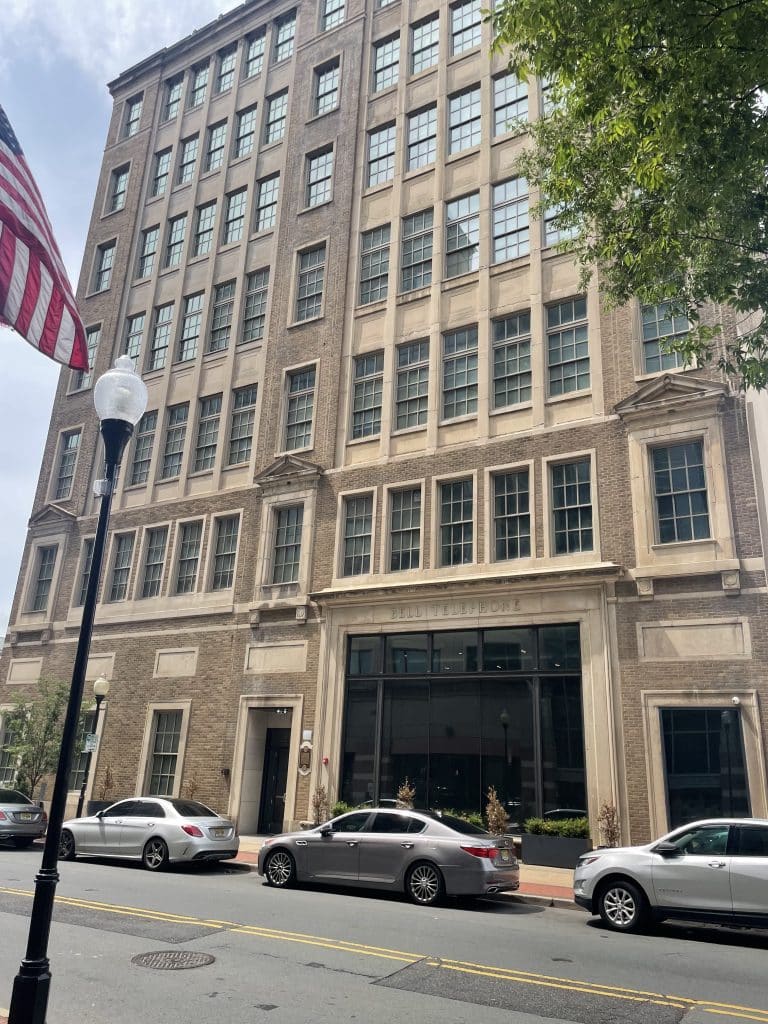
The same can be said for the former Bell Telephone Building. Its conversion into residential housing demonstrates that there is a growing market for people who want to live in downtown Trenton and enjoy the benefits of walkable urban living. The project has helped prove that adaptive reuse can be both economically viable and transformative for the surrounding neighborhood.
Likewise, the restoration and reuse of Old City Hall reflects an important lesson for Trenton’s future. Rather than viewing historic structures as liabilities, successful redevelopment efforts recognize them as assets. Trenton possesses a remarkable collection of historic architecture that distinguishes it from countless suburban communities competing for residents and investment. Preserving and reactivating these structures strengthen the city’s identity while supporting economic growth.
The story of Trenton’s revitalization, however, is not limited to large-scale projects. It is also being written through smaller investments that collectively strengthen neighborhoods and expand the city’s appeal.
In the Mill Hill Historic District, Mill Hill Park View represents the type of entrepreneurial investment that often goes unnoticed but plays a vital role in urban revitalization (if I don’t say so myself – which I do). Through the restoration and repositioning of a historic property overlooking Mill Hill Park, the project introduces a boutique hospitality experience that invites visitors to experience Trenton as a destination rather than simply a place to pass through. Guests can walk to restaurants, cultural institutions, government offices, neighborhood events, and the Transit Center. Every visitor who experiences the city’s architecture, history, and culture becomes a potential ambassador for Trenton. (A ‘pat oneself on the back’ disclosure: Mill Hill Park View is my project).
Projects such as Mill Hill Park View may not involve hundreds of housing units or multimillion-dollar construction budgets, but I would submit that they contribute something equally important: confidence. Every restored building, every occupied storefront, every new housing unit, and every positive visitor experience help reshape perceptions and build momentum for future investment.
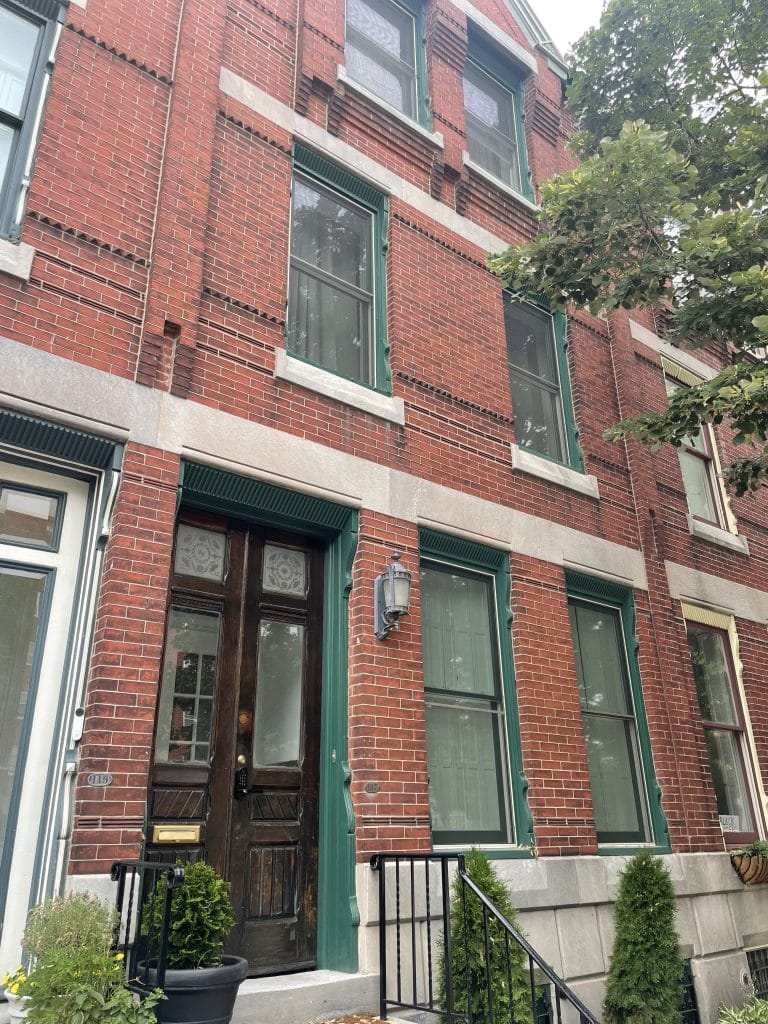
Viewed together, the Van Sciver redevelopment, The Bell, Old City Hall, Mill Hill Park View, and numerous smaller projects reveal an important truth: Trenton’s redevelopment story is no longer about isolated projects. It is increasingly becoming a network of complementary investments that are creating the critical mass necessary for sustained growth.
What also makes this moment particularly significant is that Trenton is beginning to develop the financial tools necessary to support redevelopment at multiple scales.
The Capital City Redevelopment Corporation (CCRC) has emerged as a critical partner in helping move projects from concept to reality. Through programs such as the Trenton Revitalization Investment Fund and other strategic investment initiatives, CCRC will help bridge financing gaps, attract private capital, and support projects that increase housing, activate vacant buildings, improve commercial corridors, and strengthen the tax base.
Equally important, CCRC’s placemaking and downtown activation initiatives recognize that successful cities require more than bricks and mortar. They require vibrant public spaces, cultural programming, storefront activity, community engagement, and a sense of place. By supporting both physical development and community activation, CCRC is helping create an environment where investment can succeed. (Another disclosure: I sit on CCRC’s board.)
For local business owners considering their first real estate investment, for community organizations seeking to expand their development footprint, and for local developers evaluating opportunities throughout downtown, these programs send an important signal: Trenton is no longer waiting for revitalization to happen. It is actively building the partnerships and financing mechanisms necessary to make redevelopment possible.
As we think about Trenton’s future, we must recognize that the city is evolving. The Trenton of today is not the Trenton of 20 years ago. New residents are moving downtown. Historic buildings are being restored. Entrepreneurs are opening businesses. Community organizations are expanding their impact. Technology companies, artists, and innovators are beginning to see opportunities where others once saw only challenges. We need to continue to support these endeavors that are laying the foundation for Trenton’s prosperous future.
Willard Alonzo Stanback is a practicing attorney who opened his solo practice in Trenton in January 2011. Since then, he has been the Chair of the boards of Trenton Downtown Association (member 2015 – 2021) and Isles (member 2017 – 2020). During the early part of 2023, he was the Acting Director of Housing and Economic Development for the City of Trenton. Currently, Stanback is on the boards of the Thomas Edison State University Foundation and the Capital City Redevelopment Corporation.