Trenton’s next chapter: a capital city ready to invest in itself – part 2
In Part 1, I referenced, among other things, the interest of local business owners and developers who want to invest in Trenton. A separate question concerns how Trenton, given its geographic location in New Jersey, should position itself for our local business owners and developers to make these investments. How does Trenton become attractive to other businesses to open their doors and to more residents to consider Trenton their best choice for housing? In a nutshell, how should Trenton begin to position itself as one of the Northeast Corridor’s premier business centers and commuter cities?
The basis for these questions and the possible answers deserves serious consideration.
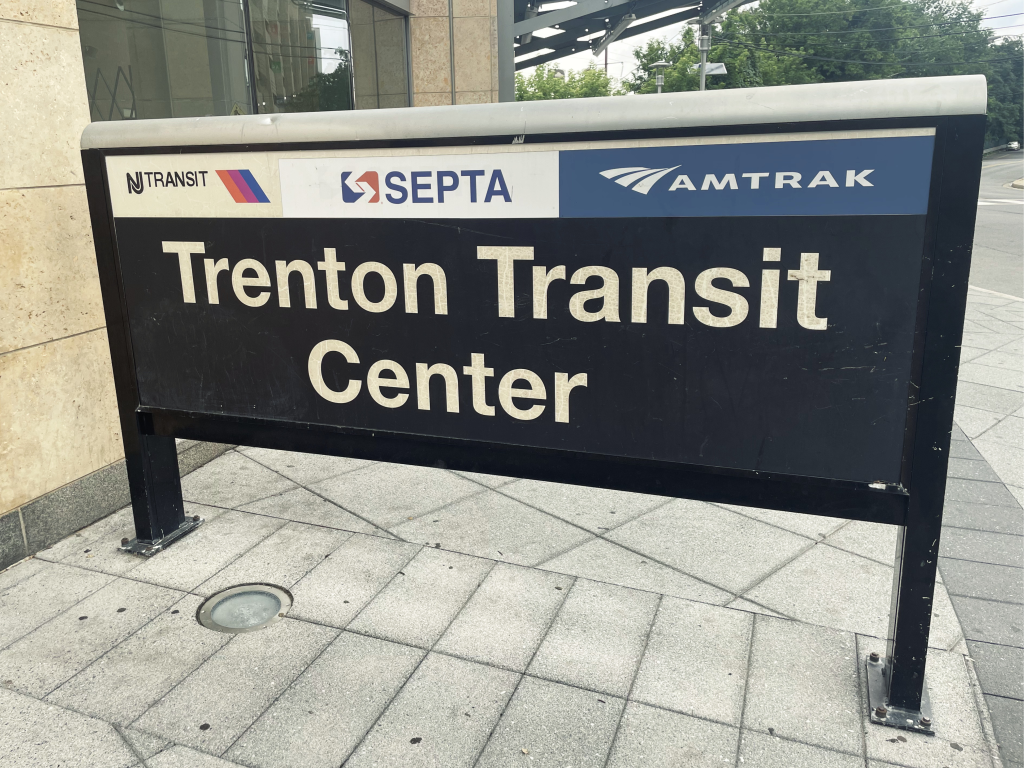
Few cities along the Northeast Corridor possess the transportation assets that Trenton already enjoys. The Trenton Transit Center provides direct rail access to New York City, Philadelphia, Newark, Princeton, and Washington, D.C. Certain businesses could see Trenton as a base for their work throughout the Northeast. And residents could live in Trenton and access some of the nation’s most important employment centers by train. Yet for decades, the city has not fully leveraged this strategic advantage as a central component of its redevelopment strategy.
At a time when commercial leases and housing affordability challenges continue to affect metropolitan regions throughout the Northeast, Trenton offers a compelling alternative. The city possesses commercial capacity, historic housing stock, developable land, regional rail access, walkable neighborhoods, cultural assets, and proximity to major commercial and employment centers. These are precisely the ingredients that have fueled successful urban revitalization efforts throughout the country.
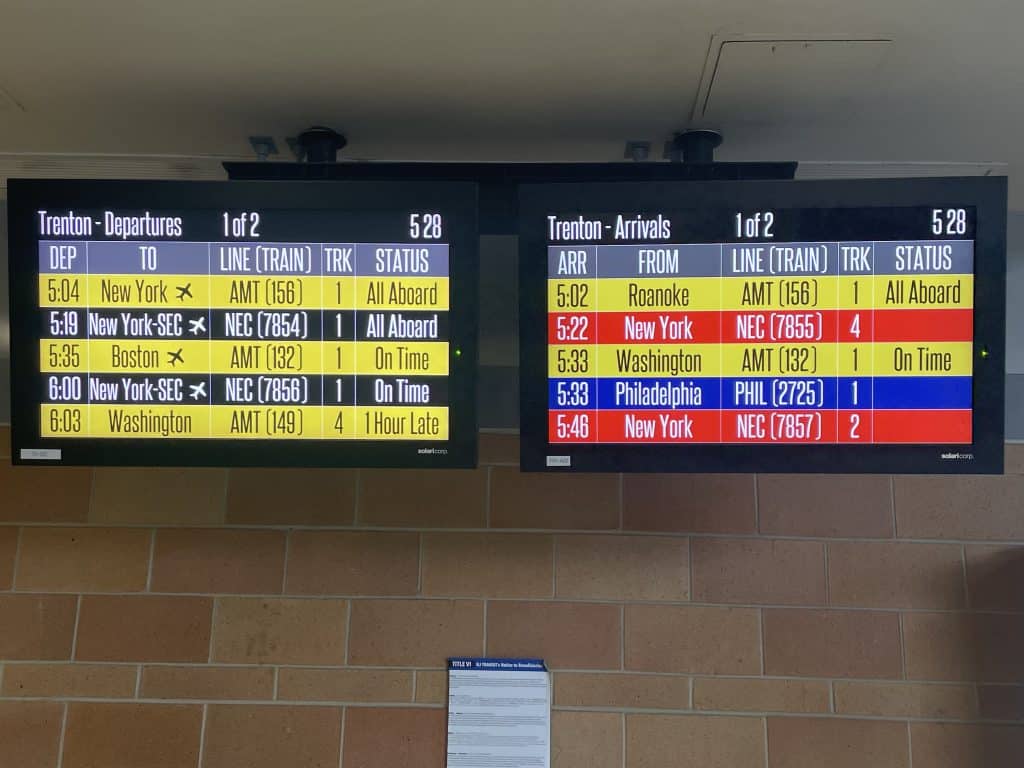
The commercial and residential redevelopment areas surrounding the Trenton Transit Center should therefore be viewed not simply as development sites, but as the foundation of a larger vision. Imagine a vibrant district of office space, mixed-income housing, neighborhood retail, restaurants, coworking spaces, public plazas, entertainment venues, and pedestrian-friendly streets extending outward from the station. Imagine a place where residents can work and/or live without depending on a car, where visitors arrive by train for cultural experiences and special events, and where businesses choose to locate because of the area’s accessibility and growing residential population.
This vision aligns naturally with the interests of local investors, small business owners, housing developers, nonprofit organizations, and community stakeholders. It also aligns with federal priorities surrounding transportation, housing production, sustainability, infrastructure modernization, and economic development.
For that reason, it seems logical for Trenton to aggressively pursue federal and state funding opportunities that support transit-oriented development. The city should position itself to attract investments in housing, infrastructure, streetscape improvements, pedestrian connectivity, public spaces, workforce development, and economic growth initiatives centered around the Transit Center and the surrounding redevelopment areas.
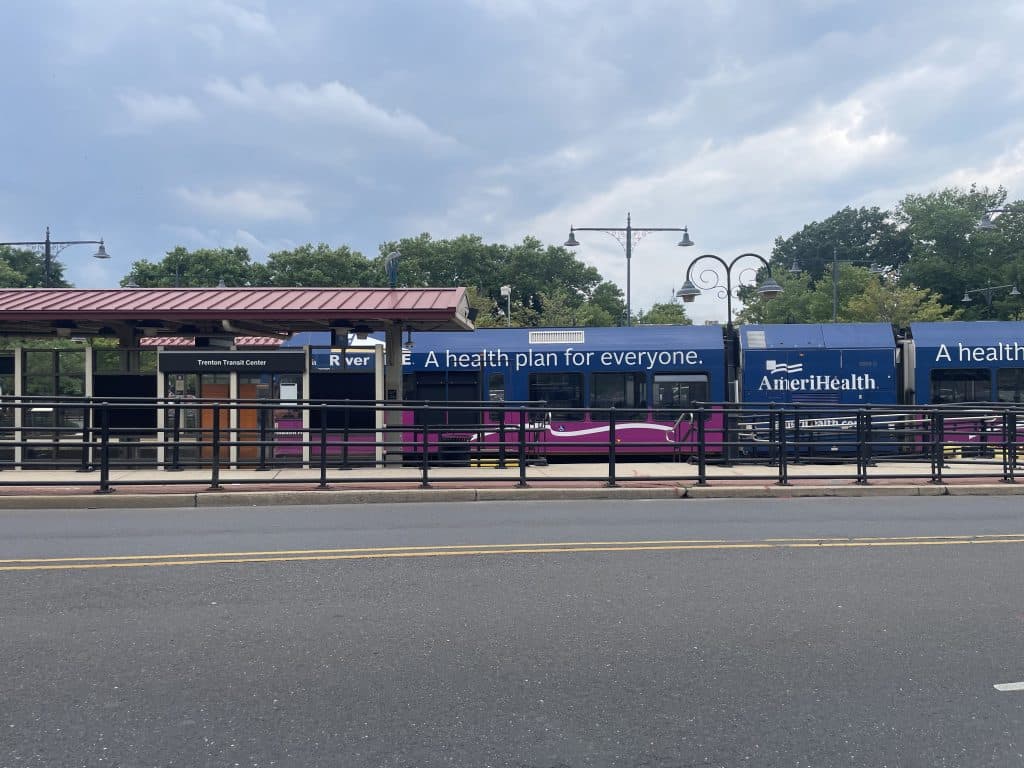
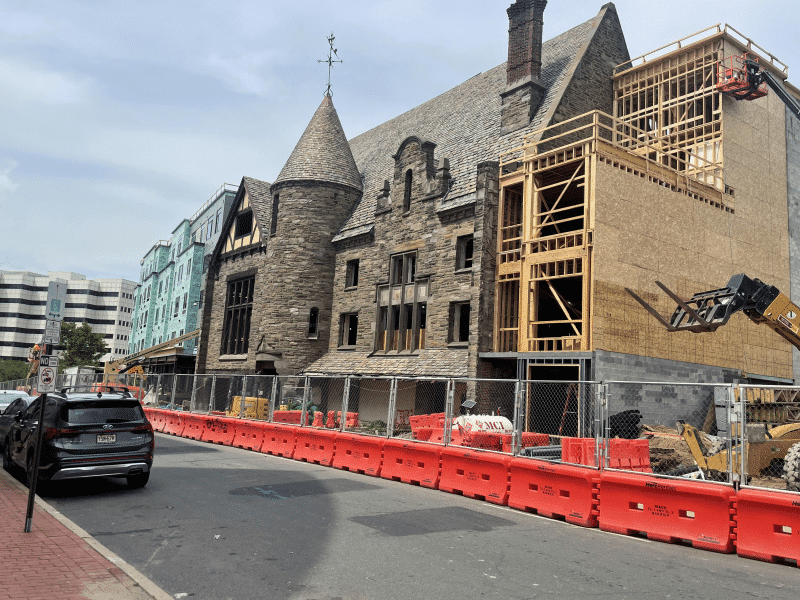
The encouraging news is that many of the building blocks already exist. As stated prior (in Part 1), we have local investors willing to commit capital. We have community-based organizations expanding their impact. We have successful examples in the Van Sciver redevelopment, The Bell, Old City Hall, and Mill Hill Park View. We now note that we also have a world-class transportation asset in the Trenton Transit Center. And we have organizations such as CCRC deploying grants, investment capital, and placemaking resources to help unlock redevelopment opportunities.
The challenge before us is not whether Trenton has the ingredients for success. The challenge is whether we have the collective vision necessary to bring them together.
The conversations I have had with our locals leave me optimistic. There is growing recognition that Trenton’s future does not depend on a single transformative project. Rather, it depends upon aligning many projects, many stakeholders, and many sources of capital around a shared vision.
If we can connect local investment, historic preservation, housing development, entrepreneurship, community development, and transit-oriented growth into a unified strategy, Trenton has an opportunity not merely to participate in the region’s future, but to help shape it. The city that once stood at the crossroads of a young nation can once again become a crossroads of opportunity – this time as a thriving capital city, a regional destination, and one of the Northeast Corridor’s most compelling places to live, work, invest, and visit.
Willard Alonzo Stanback is a practicing attorney who opened his solo practice in Trenton in January 2011. Since then, he has been the Chair of the boards of Trenton Downtown Association (member 2015 – 2021) and Isles (member 2017 – 2020). During the early part of 2023, he was the Acting Director of Housing and Economic Development for the City of Trenton. Currently, Stanback is on the boards of the Thomas Edison State University Foundation and the Capital City Redevelopment Corporation.